



What is a Consumer Unit? A consumer unit is the main electrical control panel in a UK home. It receives power from the supply and safely distributes it to lighting, socket and appliance circuits. Modern units use circuit breakers, RCDs or RCBOs to cut power quickly if a fault occurs, helping prevent electric shock and fire. They also include a main switch for emergency isolation and must meet strict safety regulations.
Key Takeaways
- A consumer unit safely distributes electricity and allows circuits to be switched off independently.
- It includes circuit breakers, RCDs, and RCBOs to prevent shocks and fires.
- Modern units must have metal enclosures, secure covers, and clearly labelled circuits.
- Upgrading old units adds safety, more circuits, and supports extra electrical loads.
- Work on consumer units must follow BS 7671 and Building Regulations, using a qualified electrician.
Table of Contents
What a Consumer Unit Is and Its Role in Your Home
A consumer unit, often called a fuse box or distribution board, distributes electricity safely. It receives power from the incoming supply and divides it into separate circuits, so lighting, sockets, and high‑demand appliances can run independently without overloading the system.
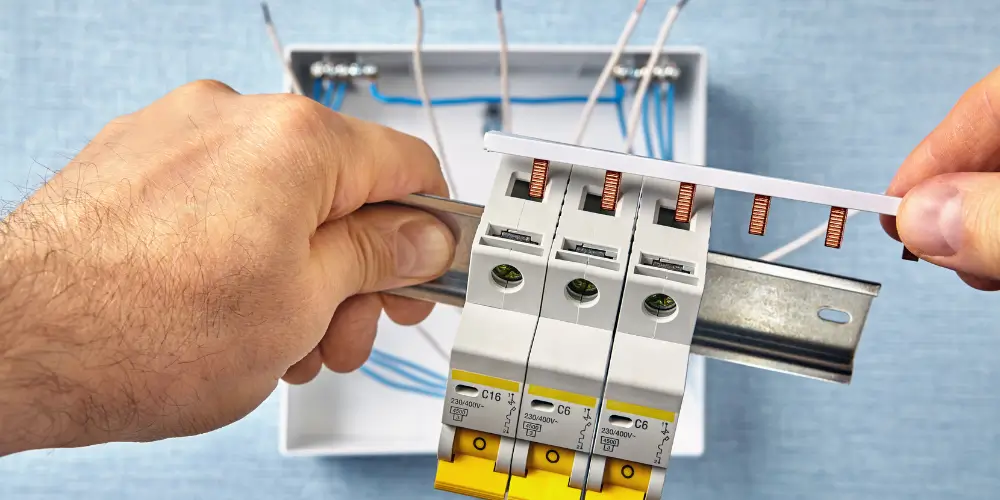
After learning what is a consumer unit, the next thing that comes to mind is what its role is. Its core role is to manage risk while allowing people to use electricity flexibly and confidently. Organising circuits limits the impact of a fault to a specific area, helping occupants keep the rest of the property energised and functional. It also serves as the main point of isolation, giving homeowners clear control to switch the entire installation off when needed for maintenance, upgrades, or emergencies.
Components Inside a Consumer Unit
Understanding what a consumer unit does naturally leads to the question of what is actually inside it.
Main Switch
At the heart of the consumer unit sits the main switch, allowing the entire home to be isolated quickly. This gives homeowners clear control over their electricity supply.
Circuit Breakers and RCBOs
Circuit breakers and RCBOs protect individual circuits by automatically disconnecting them if a fault occurs, helping prevent fire and electric shock.
Residual Current Devices (RCDs)
RCDs monitor groups of circuits for any imbalance between live and neutral conductors, providing additional protection against electric shocks.
Neutral and Earth Bars
These provide organised connection points, keeping wiring tidy, traceable, and safe throughout the unit.
Enclosure and Labelling
A robust enclosure with a secure cover and clear circuit labelling ensures safe operation, easy identification, and the flexibility to responsibly maintain or adapt the home’s electrical system.
Types of Consumer Units Common in UK Homes
Consumer units in UK homes generally fall into several standard types, each offering a different balance of protection, flexibility, and cost.
Traditional fuse boxes are now largely outdated, offering limited safety and awkward maintenance. Modern split-load boards, however, separate circuits across one or two RCDs, giving improved protection yet still risking some nuisance tripping. High-spec RCBO consumer units place each circuit on its own RCBO, maximising fault discrimination and allowing homeowners greater control over how their home is powered.
Dual-RCD boards remain popular as a mid-range option, while compact garage or shed consumer units supply outbuildings without overcomplicating the main board. Homeowners often weigh space, lifestyle, and the need for future circuits when choosing between these types.
Upgrading Your Consumer Unit: When and Why
When is it no longer sensible to keep an existing fuse box or consumer unit in service? For many homeowners, the tipping point comes when an old board limits how they want to live. Frequent tripped fuses, scorching or buzzing, or signs of DIY alterations suggest that clinging to ageing equipment restricts both safety and flexibility.
Upgrading the consumer unit (fuse box) often becomes essential after major renovations, adding electric vehicle chargers, electric heating, home offices, or outdoor power. A modern consumer unit can provide more usable circuits, clearer labelling, and better compatibility with contemporary appliances, allowing occupants to adapt their home without constantly “making do”.
How a Consumer Unit Protects Against Electrical Faults
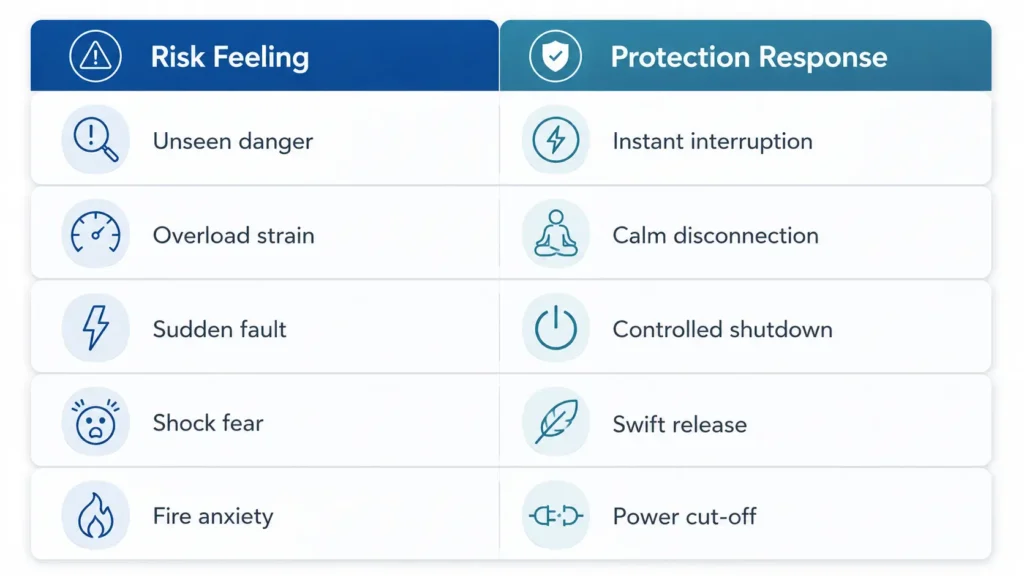
Acting as the electrical “gatekeeper” of a home, the consumer unit constantly monitors and controls the flow of current to every circuit. It detects when electricity exceeds safe limits and responds within seconds, cutting power only where trouble occurs, so the rest of the property stays energised and usable.
Circuit breakers trip when a circuit is overloaded or shorted, preventing cables from overheating and igniting. Residual Current Devices (RCDs) sense tiny current leaks, often caused by damaged appliances or contact with live parts, and disconnect the supply quickly enough to reduce the risk of electric shock.
Safety Regulations for Consumer Units in the UK
A modern UK home relies on strict safety regulations to guarantee its consumer unit is both correctly specified and safely installed. These rules, mainly set out in BS 7671 (the IET Wiring Regulations) and the Building Regulations, exist to reduce the risks of fire and electric shock without unnecessarily limiting how people use their homes.
Current regulations require metal, non‑combustible consumer unit enclosures in most dwellings, secure covers, clear labelling of circuits, and appropriate RCD or RCBO protection for specified circuits. Work on consumer units is classed as “notifiable” under Part P in England and Wales, meaning it must be carried out or certified by a registered electrician. Regular inspection and testing are strongly recommended to keep the system compliant and dependable over time.
Consumer Unit vs Fuse Box: Key Differences Explained
A fuse box typically uses rewirable or cartridge fuses that must be replaced when they blow, often requiring tools and time.
A consumer unit, by contrast, uses circuit breakers, RCDs and often RCBOs, which can simply be reset after a fault. This design offers faster power restoration and more precise fault protection, reducing unnecessary interruptions to daily life.
Consumer units also provide clearer labelling, better circuit segregation, and improved fire resistance. For homeowners who value flexibility and control over their environment, the consumer unit offers a safer, more reliable foundation for expanding or adapting electrical installations.

What Happens During a Consumer Unit Inspection
During a consumer unit inspection, an electrician methodically checks that the unit and its circuits comply with current wiring regulations and operate safely. They start by visually examining the enclosure, labelling, and accessibility, ensuring nothing restricts a homeowner’s ability to isolate or reset power independently.
They then verify the main bonding and earthing, confirming that fault currents will be quickly disconnected. Each circuit is identified, checked against the schedule, and tested for continuity, insulation resistance, and correct polarity. RCDs and RCBOs are trip‑tested using specialist equipment to demonstrate they react quickly enough to protect life.
Finally, the electrician records results in an Electrical Installation Condition Report (EICR), highlighting any dangerous or potentially restrictive defects and recommending remedial work.
Frequently Asked Questions
Can I Legally Do Any Consumer Unit Work Myself as a Homeowner?
A UK homeowner can legally do limited consumer unit work only if competent. Still, most alterations are notifiable under Part P. Freedom exists, yet certification, building control notification, and insurance implications usually demand a qualified electrician.
Where Is the Best Place to Locate a Consumer Unit in My Home?
The best place is a readily accessible, dry, and ventilated area near the main incoming supply often a hallway, utility room, or garage mounted at eye level, away from heat, moisture, tight corners, and escape routes.
Will Upgrading My Consumer Unit Reduce My Home Insurance Premiums?
Upgrading a consumer unit may indirectly lower home insurance premiums, but insurers differ. They often reward modern protection, certification, and reduced fire risk. Homeowners seeking maximum flexibility should confirm requirements and potential discounts with their specific insurer before committing.
How Long Does a Consumer Unit Usually Last Before Needing Replacement?
A consumer unit typically lasts 25–30 years, though many electricians advise reviewing or replacing it after 15–20 years. Longevity depends on installation quality, load demands, regulatory changes, and visible wear; periodic inspections keep options open and risks low.
Conclusion
In conclusion, understanding what is a consumer unit helps UK homeowners make safer, more informed decisions about their electrics. By recognising its key components, knowing when upgrades are needed, and appreciating how it protects against faults, residents can better safeguard their property and loved ones. Adhering to current regulations and arranging regular inspections by a qualified electrician guarantees the consumer unit continues to function effectively as the central hub of domestic electrical safety.