
Carbon monoxide and gas safety are essential considerations because carbon monoxide (CO) is a colourless, odourless gas from incomplete fuel burning that can cause headaches, confusion, unconsciousness and death. In the UK, gas appliances like boilers, heaters and cookers must be properly installed, ventilated and regularly checked. Landlords must arrange annual gas safety checks by Gas Safe engineers and fit CO and smoke alarms where required. Recognising symptoms, knowing legal duties and understanding emergency steps can greatly reduce risk, and much more can be learned beyond this overview.
Key Takeaways
- Carbon monoxide (CO) is a colourless, odourless gas from incomplete combustion that can cause headache, confusion, collapse and death even at relatively low levels.
- Main CO sources are faulty or poorly ventilated gas appliances, blocked flues or chimneys, and exhaust gases entering living spaces.
- Prevent CO risks by annual servicing of boilers and other fuel‑burning appliances, ensuring good ventilation, and never using improvised or outdoor heaters indoors.
- UK landlords must arrange yearly Gas Safe engineer checks, maintain appliances and flues, and provide tenants with a valid Gas Safety Record.
- UK law requires smoke alarms on each storey and carbon monoxide alarms in rooms with fixed combustion appliances (excluding gas cookers), with faulty alarms promptly replaced.
Table of Contents
What Is Carbon Monoxide?
Carbon monoxide is a colorless, odorless, and tasteless gas produced when fuels such as natural gas, gasoline, wood, coal, or oil burn incompletely. Chemically, it is a molecule consisting of one carbon atom and one oxygen atom (CO). Because it cannot be detected by human senses, it can move silently through enclosed spaces and reach harmful levels before anyone realizes.
Once inhaled, carbon monoxide enters the bloodstream and binds to hemoglobin with an affinity around 200 times greater than oxygen. This bond forms carboxyhemoglobin, which blocks oxygen transport, starving organs and tissues of the oxygen they need to function. Even low concentrations can cause headaches, confusion, or fatigue; higher levels can rapidly become fatal.
For individuals who value autonomy and self‑reliance, understanding what carbon monoxide is, and why it is so hard to detect, forms the basis for making informed, independent safety choices.
How Gas Appliances Create Carbon Monoxide Risks
Understanding how this gas is generated is the next step toward managing it effectively. Gas appliances power heat, cooking, and hot water by burning fuels such as natural gas, LPG, oil, or solid fuel. Ideally, combustion converts fuel into carbon dioxide and water vapour. Carbon monoxide (CO) appears when that burn is incomplete. Any appliance with a flame, boiler, cooker, fire, or heater, therefore carries a built‑in potential to produce CO.
| Everyday Situation | How CO Risk Can Arise |
| Long hot shower or bath | Boiler works harder; flame may burn less cleanly |
| Winter evening heating on | Continuous burner use raises CO production risk |
| Cooking for guests or family | Multiple burners increase overall CO output |
Even in a legally installed system, variations in gas pressure, burner design, or flame quality can shift combustion away from the “perfect” balance, quietly increasing the proportion of carbon monoxide in the exhaust gases.
Common Causes of Carbon Monoxide Exposure
Although carbon monoxide can form wherever fuel burns, exposure in homes and workplaces usually traces back to a small set of predictable failures. The most common is poor ventilation: blocked chimneys, covered air bricks, or sealed‑up vents that starve appliances of oxygen and trap exhaust gases indoors. Faulty or aging equipment also plays a major role when burners are misaligned, heat exchangers crack, or safety cut‑outs fail.
Improvised or temporary heating is another frequent cause. Portable gas or paraffin heaters, barbecues brought indoors, and unflued appliances used in tight spaces can quickly saturate a room with CO. In some cases, exhaust from vehicles or generators migrates from garages, workshops, or loading bays into living or office areas through gaps and shared ducting. Finally, DIY alterations to rooms, roofs, or ventilation routes can unintentionally convert once‑safe fuel‑burning setups into high‑risk sources of carbon monoxide.
Which Gas Appliances Need Safety Checks?
In practice, any appliance that burns gas, whether natural gas, propane, or butane, requires regular safety checks. This includes boilers, combi-boilers, gas hobs, and ovens commonly found in UK homes. Here are the Signs Your Boiler Needs a Safety Inspection: Warning Signs You Should Not Ignore
Gas fires, especially older decorative or inset models, demand particular attention because they operate in living spaces where people relax and sometimes fall asleep. Do Gas Fires Need a Gas Safety Check? Rules, Requirements and Safety Checks
Water heaters, including instantaneous and multipoint heaters, also need routine inspection, as do gas-powered tumble dryers and room heaters. In leisure settings, caravans, campervans, motorhomes, and boats with gas cookers, heaters, or fridges must not be overlooked; confined interiors can quickly become dangerous if appliances are neglected. Landlords in the UK are legally required to arrange annual checks on all fixed gas appliances they provide. Homeowners, though freer to choose their own schedule, protect that freedom by commissioning regular inspections from a Gas Safe registered engineer.
Signs of Carbon Monoxide Exposure
Rarely noticed at first, the effects of carbon monoxide (CO) exposure often resemble a bout of flu or a mild viral illness. Individuals may experience dull headaches, fatigue, dizziness, nausea, or shortness of breath, especially when indoors. Because CO is invisible and odourless, these early signs are easy to dismiss, yet they signal that the body’s oxygen supply is being quietly restricted.
With continuing exposure, symptoms can intensify into confusion, blurred vision, chest pain, vomiting, and loss of coordination. People may feel suddenly better when leaving the property and worse on returning, a vital warning sign that the environment, not the person, is the problem. In severe cases, exposure can trigger seizures, unconsciousness, or death. Vulnerable groups, children, older adults, pregnant women, and those with heart or respiratory conditions, often show symptoms sooner, underscoring how CO can undermine personal autonomy without any obvious warning.
How Gas Safety Checks Help Prevent CO Risks
Many of the subtle symptoms of carbon monoxide exposure can be missed or misattributed, which is why systematic gas safety checks form a primary defence against CO risks. Instead of relying on guesswork, professional checks provide clear, evidence‑based insight into how safely gas appliances are operating, helping individuals protect their health while maintaining control over their living environment.
During a gas safety check, a competent engineer inspects burners, flues, ventilation, and seals, confirming that fuel is burning cleanly and that exhaust gases are being expelled outdoors. They measure combustion performance, verify that safety devices function correctly, and look for early signs of corrosion, blockage, or poor installation that could allow CO to build up unnoticed.
These checks turn hidden technical faults into practical information, enabling people to take timely action, repair, adjust, or replace equipment, so they can continue using gas confidently without compromising their freedom to live independently and safely.
UK Regulations
In the UK, carbon monoxide safety is framed by specific legal duties placed on landlords, gas engineers, and property managers. Central to these are the Gas Safety (Installation and Use) Regulations 1998, which govern the installation, maintenance, and use of gas appliances. Alongside this, the Smoke and Carbon Monoxide Alarm (Amendment) Regulations 2022 strengthen requirements for warning devices in rented homes.
Gas Safety (Installation and Use) Regulations 1998
The Gas Safety (Installation and Use) Regulations 1998 form the cornerstone of gas safety law in the UK, setting out clear duties for landlords, gas engineers, and anyone responsible for gas appliances or pipework. They aim to protect people’s freedom to live and work without hidden gas dangers by demanding competent installation, proper maintenance, and safe use of gas systems.
Landlords must guarantee annual gas safety checks by Gas Safe registered engineers and keep records available to tenants. Engineers must be appropriately qualified and must not leave appliances in a dangerous state. The Regulations also cover ventilation, flues, emergency controls, and prohibition of unsafe equipment, ensuring that individuals are not exposed to preventable risks that could quietly remove choice, health, or life.
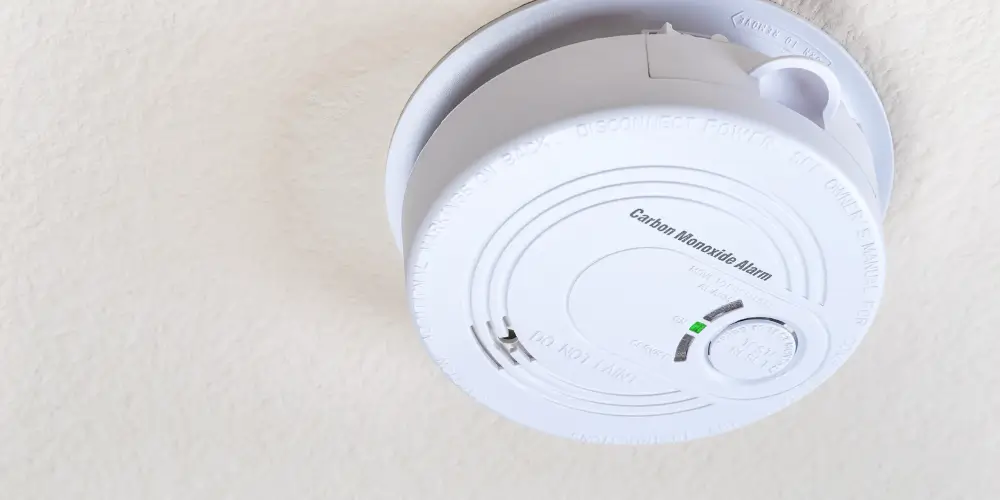
Smoke and Carbon Monoxide Alarm (Amendment) Regulations 2022
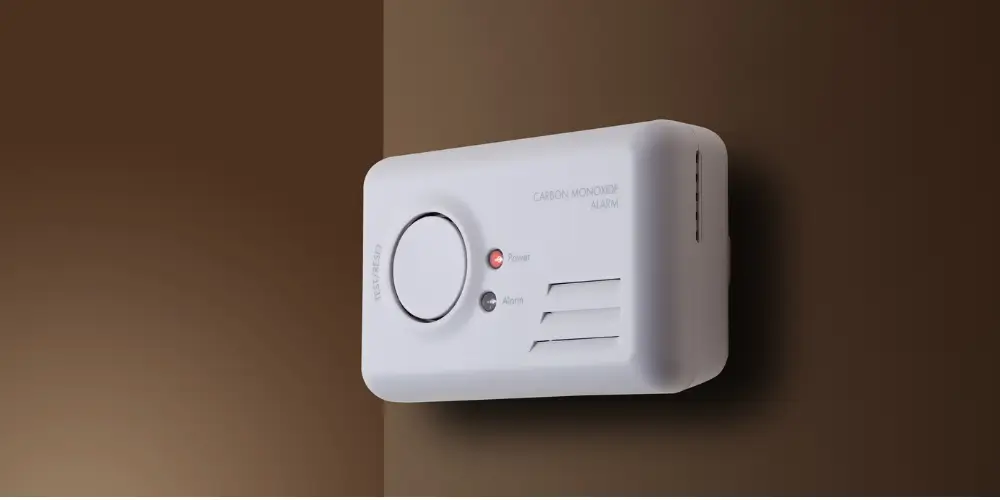
A key development in UK gas and fire safety, the Smoke and Carbon Monoxide Alarm (Amendment) Regulations 2022 strengthen legal duties on landlords to detect life‑threatening fumes early. The rules apply mainly to social and private rented sectors in England and are designed to protect occupants’ right to a safe home without intrusive oversight. Landlords must install at least one smoke alarm on each storey with living accommodation and a carbon monoxide alarm in any room with a fixed combustion appliance, excluding gas cookers.
They are also required to repair or replace faulty alarms “as soon as reasonably practicable” once notified. Tenants retain freedom over day‑to‑day living arrangements, while the state limits its role to enforcing these specific, minimum life‑saving measures.
Landlord Responsibilities for Gas and CO Safety
Responsible property management demands that landlords take clear, proactive steps to prevent carbon monoxide (CO) exposure and gas-related incidents in their rentals. In the UK, landlords must guarantee all gas appliances, flues and associated pipework are kept in safe condition, with a Gas Safe registered engineer carrying out annual gas safety checks. A written Gas Safety Record must be provided to existing tenants within 28 days and to new tenants before they move in.
Landlords must also install and maintain CO alarms where required by law and where risk is foreseeable, positioning them correctly and replacing them at the end of their service life. Tenants must be given unimpeded access to ventilation, flues and meters, without locked cupboards or blocked vents compromising safety. Clear written information about gas and CO risks, and how to use appliances safely, supports tenant autonomy while meeting legal duties.
What to Do If Carbon Monoxide Is Suspected
Recognising and responding quickly to suspected carbon monoxide exposure can prevent serious injury or death. If symptoms such as sudden headache, dizziness, nausea or confusion appear near fuel‑burning appliances, occupants should treat it as an emergency. They should move everyone outside into fresh air immediately, leaving windows and doors open to ventilate the space without delaying their exit.
No one should re‑enter to collect possessions or attempt repairs. They should call 999 if anyone is unwell, mentioning suspected carbon monoxide so responders arrive prepared. If there are no symptoms, they may contact the National Gas Emergency Service on 0800 111 999 from outside the property.
The gas supply to suspected appliances should be turned off at the emergency control valve if it is safe to do so. The property must not be used again until a Gas Safe registered engineer has inspected, tested and confirmed all appliances are safe.
Frequently Asked Questions
Can Smart Home Devices Help Detect or Prevent Carbon Monoxide Exposure?
Yes, smart home devices can help by continuously monitoring air quality, triggering alarms, and sending remote alerts. Integrated automation can also cut fuel supplies or activate ventilation, giving individuals more control over their environment and personal safety.
How Does Carbon Monoxide Risk Differ Between Houses and Flats in the UK?
Risk differs mainly by appliance density, building layout, and ventilation. Houses often face boiler and chimney issues; flats risk shared flues, neighboring leaks, and limited airflow. Both settings demand alarms, regular servicing, clear vents, and personal responsibility over communal safety.
Are There Special CO Safety Considerations for Pregnant Women or Infants?
Yes. Pregnant women and infants are more vulnerable to carbon monoxide’s effects, so detectors in every sleeping area, rapid ventilation, regular appliance checks, and avoiding indoor combustion (shisha, generators, barbecues) become especially non‑negotiable safeguards.
What Should I Ask a Gas Safe Engineer Before They Start Work?
They might ask for proof of Gas Safe registration, experience with that appliance, a clear quote, planned checks for ventilation and flue integrity, CO testing afterwards, warranty details, and confirmation of adherence to current UK regulations.
How Can I Check if My Holiday Rental Meets UK Gas and CO Safety Rules?
They should confirm a valid Gas Safety Record, visible CO alarms on each fuel‑burning appliance level, landlord’s Gas Safe registration, appliance servicing dates, clear emergency instructions, and that vents, flues, and exits aren’t blocked or tampered with.
Conclusion
In conclusion, understanding risks of carbon monoxide and gas safety is important for every UK household and landlord. By recognising how CO is produced, spotting early warning signs, and arranging regular gas safety checks, many incidents can be prevented. Compliance with UK regulations, correct use of qualified Gas Safe engineers, and installation of tested CO alarms all work together to reduce danger and protect occupants’ health, ensuring homes remain safe, compliant and responsibly managed.
[…] Carbon Monoxide and Gas Safety: Risks, Prevention and UK Safety Requirements […]