
Gas safety checks are systematic inspections of gas appliances, pipework, ventilation, and flues by a Gas Safe registered engineer. They identify gas leaks, poor combustion, blocked flues, and faulty safety devices that could cause carbon monoxide poisoning, fires, or explosions. Regular checks protect occupants, reduce costly breakdowns, and help keep insurance and warranties valid. UK law requires landlords to arrange yearly checks and keep Gas Safety Records. The sections below explain the key risks, benefits, and legal duties in more detail.
Key Takeaways
- Gas safety checks detect leaks, poor combustion and ventilation issues early, preventing fires, explosions and carbon monoxide poisoning.
- Regular checks protect occupants’ health and prolong the life of boilers and pipework, reducing the risk of sudden breakdowns and costly repairs.
- In the UK, landlords must arrange annual gas safety checks and use only Gas Safe registered engineers under the Gas Safety (Installation and Use) Regulations 1998.
- A Gas Safety Record documents inspection results, faults and risk levels (ID, AR, NCS), proving legal compliance and supporting insurance validity.
- When an installation is classed Immediately Dangerous or At Risk, engineers must make it safe immediately, which can include disconnecting or capping the gas supply.
Table of Contents
What Is a Gas Safety Check?
A gas safety check is a systematic inspection of gas appliances, pipework, ventilation, and flues to verify they are operating safely and efficiently. It is carried out by a qualified gas engineer who follows defined procedures rather than guesswork or rough visual checks. The process focuses on whether each part of the system is installed correctly, supplied with adequate air, and functioning as intended.
During a check, the engineer verifies that appliances are set up in line with manufacturer instructions and relevant UK standards. Burners, controls, and safety devices are assessed for correct operation, and visible pipework is examined for soundness and proper support. Ventilation routes and flues are reviewed to ascertain they provide effective removal of combustion products. The outcome is a clear, factual snapshot of the gas system’s condition, enabling owners and occupiers to make informed choices about maintenance, upgrades, or future use.
What Risks Can a Gas Safety Check Identify?
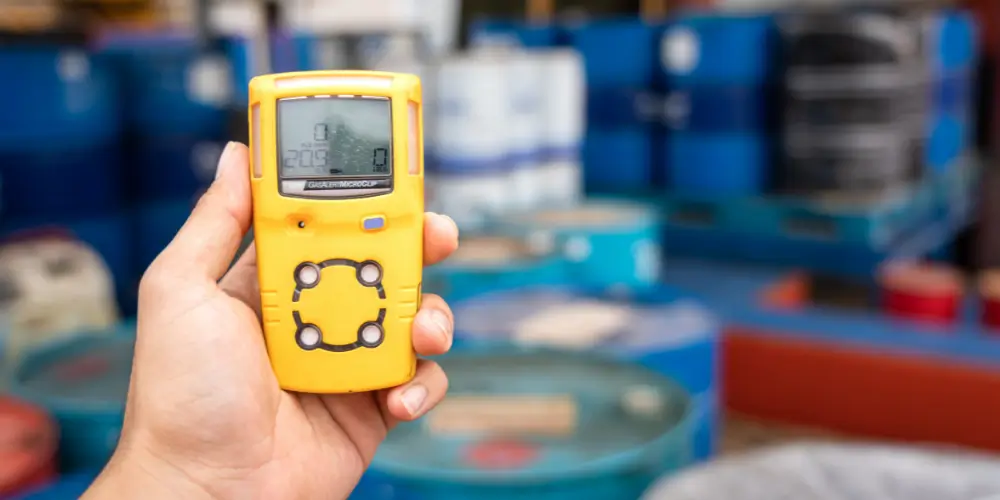
Beyond confirming that appliances are working correctly, a gas safety check is designed to uncover hidden faults that could pose serious risks to people and property. It identifies gas leaks in pipework, valves, and flexible hoses that could otherwise go unnoticed until they trigger fire or explosion. An engineer also checks for poor combustion, often revealed by incorrect flame colour, elevated carbon monoxide levels, or excessive soot buildup.
Ventilation and flue problems are another key focus. Blocked, damaged, or poorly installed flues can trap combustion gases indoors, while inadequate air supply can cause appliances to burn gas inefficiently. The check can also uncover failing safety devices, such as malfunctioning shut-off valves, regulators, or flame-failure devices that no longer operate as intended.
Finally, incorrect installation, non-compliant alterations, or degraded components are flagged, revealing system weaknesses before they escalate into full-scale gas emergencies.
How Gas Safety Checks Protect Occupants
Identifying faults is only the first step; gas safety checks ultimately protect the people living or working around the installation. By confirming that appliances burn fuel cleanly and that flues and ventilation work as intended, checks create a stable baseline where people can move, sleep, cook, or work without constant concern about hidden technical issues.
They also reduce dependence on guesswork. An up‑to‑date gas record gives occupants clear evidence that systems are operating within safe parameters, so they can focus on how they want to use their space rather than worrying about what might be going wrong behind the scenes.
For owners and landlords, regular checks support hassle‑free use of the property. When systems are verified as safe, they are less likely to fail unexpectedly, allowing occupants to plan their lives, host others, or run a business with fewer interruptions and more control over their environment.
What Are the Risks of Skipping a Gas Check?
Although gas systems can appear to run normally for years, skipping a safety check steadily removes the safeguards that prevent minor defects from becoming serious hazards. Over time, seals perish, vents block and flues corrode, often without visible warning. A person who values independence may assume that “no news is good news”, yet gas appliances can fail quietly, turning that assumption into unnecessary risk.
Key consequences of neglecting checks include:
- Hidden carbon monoxide leaks that can cause headaches, confusion, unconsciousness, or death.
- Undetected gas leaks that increase the likelihood of fire or explosion in an enclosed space.
- Progressive damage to boilers and pipework, leading to costly breakdowns and premature replacement.
- Potential invalidation of insurance or refusal of claims after an avoidable incident.
- Legal and financial exposure for landlords or business owners if occupants are harmed.
Skipping checks trades genuine freedom for fragile luck.
When Should Gas Safety Checks Be Arranged?
Recognising how serious the consequences of missed checks can be naturally raises the question of timing. In practice, many safety‑conscious households treat an annual gas safety check as a non‑negotiable baseline, much like a yearly vehicle MOT. This regular rhythm preserves flexibility: people can choose any convenient month, then keep roughly to that anniversary.
Beyond the yearly pattern, certain moments clearly call for a fresh check. After any visible damage, odd smells, soot marks, or repeated boiler resets, arranging an immediate inspection protects both health and autonomy. Moving into a new home with existing gas appliances is another key point; some prefer the assurance of a check before fully settling in.
Major renovations that disturb walls, flues, or pipework also merit renewed attention. Finally, many choose pre‑winter checks, ensuring heating and hot water are reliable before colder weather arrives, limiting unpleasant surprises when dependence on gas is highest.
What Does UK Gas Safety Law Require?
While gas safety checks are widely promoted as good practice, in the UK there is also a clear legal framework that makes certain duties mandatory. The central rules sit under the Gas Safety (Installation and Use) Regulations 1998, reinforced by the Health and Safety at Work etc. Act 1974. Together, they aim to balance individual freedom with protection from hidden, potentially lethal risks.
Key legal requirements include:
- Gas appliances and flues must be installed and maintained in a safe condition.
- Only Gas Safe registered engineers may legally work on gas installations.
- Gas fittings and chimneys must be kept in proper repair and checked at appropriate intervals.
- Records of specific gas safety checks must be created, kept, and produced on request to enforcing authorities.
- Capable enforcement bodies, such as the Health and Safety Executive and local authorities, may investigate incidents and impose sanctions for non‑compliance.
Which Landlords Have Gas Safety Duties?
Exactly who counts as a “landlord” for gas safety purposes is defined more by legal control than by labels. Anyone who grants a right to occupy a property in return for rent, or who controls gas appliances and pipework in that property, usually carries the duty. This includes private landlords, letting companies, property managers with repair obligations, and resident landlords renting out rooms.
Limited companies, partnerships, and trusts can all be “landlords” if they own or control let premises with gas. Where management is delegated to an agent, the legal duty can be shared or contractually shifted, but it cannot be erased: at least one party must guarantee checks happen.
Holiday lets, HMOs, and social housing landlords are generally caught if gas appliances serve paying occupants. Live-in owners using lodgers also fall within scope once there is a formal arrangement and money changes hands.
What Records Must Be Provided and Kept?
Because gas safety duties are only as effective as their paper trail, landlords must provide specific documents to tenants and retain them for set periods. UK regulations require a Gas Safety Record after each annual check, issued by a Gas Safe registered engineer. New tenants should receive this before moving in; existing tenants must see updated records within 28 days of the check. Records must usually be kept for at least two years, though many landlords choose longer retention to protect their position.
Key contents of the Gas Safety Record typically include:
- Address of the property and location of each gas appliance.
- Engineer’s name, Gas Safe registration number, and signature.
- Date of inspection and next due date, confirming annual frequency.
- Results of safety checks on appliances, flues, and pipework.
- Clear statement that appliances are safe to use at the time of inspection.
What Happens If a Safety Issue Is Found?
If a gas safety check identifies a fault, the engineer must immediately assess the level of risk and decide what action is required to protect occupants. Each issue is usually classified as “Immediately Dangerous” (ID), “At Risk” (AR), or “Not to Current Standards” (NCS). For ID or AR situations, the engineer is obliged to make the installation safe, which may include turning off the gas supply to the affected appliance or, in serious cases, capping the supply entirely.
The occupant or landlord is then informed of the findings, the risks, and the options. They remain free to choose who carries out remedial work, provided that person is Gas Safe registered. A record of the defect, classification, and any disconnection is added to the gas safety certificate. Until repairs and a successful recheck are completed, the unsafe appliance must not be used, even if it continues to function.
Frequently Asked Questions
How Much Does a Professional Gas Safety Check Typically Cost in the UK?
A professional gas safety check in the UK typically costs £60–£120, varying by region, property size, and provider. Independent-minded homeowners often compare quotes, bundle boiler servicing, and avoid unnecessary contracts to keep both costs and restrictions low.
How Long Does a Standard Gas Safety Inspection Usually Take to Complete?
A standard gas safety inspection usually takes 30–60 minutes. Duration depends on property size, number of appliances, and access. Efficient engineers work quickly yet thoroughly, minimizing disruption while ensuring systems remain safe, reliable, and compliant with legal responsibilities.
Can I Stay in My Home While a Gas Safety Check Is Carried Out?
Yes, they can usually stay at home during a gas safety check, moving freely between rooms. The engineer just needs clear access to appliances, meters, and vents; they may briefly switch off gas if a safety issue appears.
Are Gas Safety Checks Needed for Holiday Lets or Short‑Term Rental Properties?
Yes. UK law requires annual gas safety checks for holiday lets and short‑term rentals where gas appliances exist, plus valid certificates for guests. This obligation applies even for occasional Airbnb‑style hosting, prioritising safety alongside hosts’ flexibility.
Conclusion
Regular gas safety checks clearly reduce the risk of leaks, fires and carbon monoxide poisoning, while helping systems run efficiently and legally. UK regulations place clear duties on landlords to arrange annual checks, use Gas Safe registered engineers and keep proper records. When issues are found, prompt action protects occupants and avoids serious legal and financial consequences. Treating gas safety checks as a non‑negotiable responsibility safeguards people, property and long‑term peace of mind.