

Here are the gas safety tips for new landlords in the UK. Landlords must understand they are legally responsible for gas safety, not tenants. They must arrange annual Gas Safety Checks by a Gas Safe registered engineer, keep certificates for at least two years, and give copies to tenants within 28 days. Before letting, they should visually inspect appliances, flues, and ventilation, and act fast on any gas smell or faults. Clear instructions, labels, and communication help tenants stay safe, and the essentials go further than this brief overview.
Key Takeaways
- Arrange an annual Gas Safety Check (CP12) for every gas appliance and flue, using a Gas Safe registered engineer, and keep records for at least two years.
- Provide tenants with a copy of the Gas Safety Certificate within 28 days and again at the start of each new tenancy.
- Before letting, visually inspect appliances, flues, and ventilation; disconnect or replace anything corroded, damaged, or doubtful in safety.
- Respond urgently to any gas smell, carbon monoxide alarm, or appliance fault; authorize repairs immediately and document all actions taken.
- Clearly label gas meters and isolation valves, give tenants simple emergency instructions, and encourage them to report changes in flame color or unusual smells.
Table of Contents
Know Your Gas Safety Responsibilities
New landlords must first understand that they are legally responsible for ensuring all gas appliances, fittings, chimneys, and flues in their rental properties are safe and properly maintained. UK law places this duty on the landlord, not the tenant, because unsafe gas systems can cause explosions, fires, carbon monoxide poisoning, and death.
Landlords must arrange an annual gas safety check on every gas appliance and flue provided with the property, carried out by a Gas Safe registered engineer. They must also keep a written record of each Gas Safety Certificate for at least two years and give a copy to existing tenants within 28 days of the check, and to new tenants before they move in.
They remain responsible for gas safety throughout the tenancy, regardless of managing agents or informal agreements, because genuine autonomy for both landlord and tenant depends on a reliably safe environment.

Check the Property Before Letting
Before any tenancy begins, a landlord should arrange a thorough, documented inspection of every gas appliance, flue, and visible section of pipework in the property. This pre‑letting check helps guarantee that future use of the home remains unrestricted by avoidable breakdowns, leaks, or safety concerns. A simple visual survey can reveal loose fittings, corrosion, scorch marks, or signs of poor ventilation that could later limit how comfortably tenants can live.
Windows, vents, and extraction systems around gas cookers, boilers, and fires should be checked to confirm that combustion gases can disperse freely. Landlords should verify that appliances have clear access for maintenance, with no cupboards, boxed‑in pipes, or blocked vents restricting safe operation. Any doubts about an appliance’s condition should lead to it being disconnected or replaced before advertising the property. By resolving hazards early, landlords preserve their own flexibility and protect tenants’ freedom to use the space confidently.
Arrange the Required Gas Safety Check
Once a landlord is satisfied that the basic visual checks are complete, the next step is to arrange a formal Gas Safety Check carried out by a Gas Safe registered engineer. This inspection is a legal requirement for every gas appliance and flue in rented property and must be completed at least every 12 months. Booking early gives landlords flexibility, avoiding last‑minute pressure that can restrict choice and increase costs.
A landlord can search the official Gas Safe Register to verify an engineer’s credentials and confirm they are qualified for the specific type of appliance, such as boilers, gas fires, or hobs. Clear communication about access times, appliances to be checked, and any known issues helps the visit run quickly, minimising disruption for both landlord and tenant. Coordinating with tenants in advance respects their time and privacy while ensuring the property remains legally compliant and genuinely safe.
Understand Your Gas Safety Record
Although the Gas Safety Check itself is essential, landlords also need to understand the Gas Safety Record it generates and their obligations surrounding it. This document, sometimes called a CP12, is more than routine paperwork; it is proof that legal duties have been met and that tenants can live without unnecessary risk or interference.
A Gas Safety Record typically includes appliance locations, results of safety tests, identified defects, and any actions taken. Landlords who understand each part can make informed choices instead of relying blindly on contractors.
To maintain control and flexibility, a landlord should use the Record to:
- Track when the next annual check is due and plan ahead, avoiding rushed, restrictive arrangements.
- Confirm that only Gas Safe registered engineers have signed off the work.
- Provide tenants with copies within legal timeframes, building trust while protecting the right to manage property on their own terms.
Check Gas Appliances and Flues
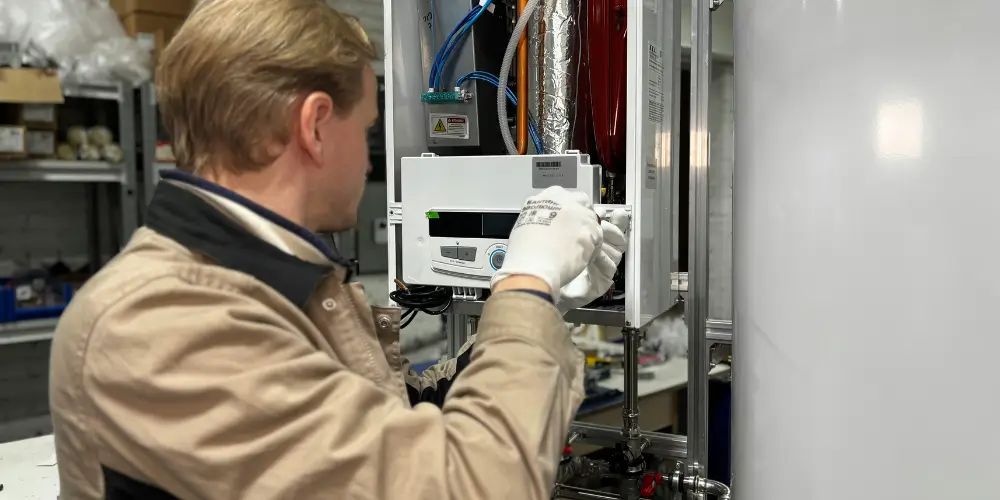
Regular attention to gas appliances and flues protects both safety and a landlord’s long‑term investment. A landlord who values freedom from crises and unexpected costs guarantees every gas boiler, hob, fire, and flue is inspected at least annually by a Gas Safe registered engineer. Visual checks between formal inspections help catch problems early: shooting, scorch marks, condensation, or yellow flames all signal incomplete combustion and rising risk.
Ventilation must remain unobstructed so appliances burn cleanly and tenants enjoy safe, reliable heat without restrictive rules or constant engineer call‑outs. Flues and chimneys require special focus; any blockages, nesting, or loose joints can push carbon monoxide back into living spaces.
| Area to Check | What to Look For |
| Boiler | Stable flame, no leaks or error codes |
| Gas hob/cooker | Blue flames, secure fittings |
| Gas fire | Clear front, no staining or soot |
| Flues/chimneys | Clear route, intact terminals, no debris |
Keep Gas Safety Records Up to Date
Because gas safety is a legal as well as a practical responsibility, a landlord must keep meticulous, up‑to‑date records for every property with gas appliances. Accurate documentation protects both parties’ freedom to use the property with confidence, knowing duties have been met and risks controlled.
Landlords in the UK are required to hold evidence of annual gas safety checks, including dates, engineer details, appliance locations, and any remedial work. These records should be stored securely—digitally or on paper—and be easily retrievable for inspection or future reference. Good record‑keeping also streamlines decision‑making when planning maintenance and budgeting.
To preserve autonomy and avoid unnecessary constraints from enforcement action, a landlord benefits from consistently maintaining:
- A log of all gas safety checks and follow‑up visits.
- Copies of engineers’ credentials and Gas Safe registration numbers.
- A maintenance timeline showing when each appliance is next due for inspection or servicing.
Provide Gas Safety Information and Record to Tenants
Clear communication underpins a landlord’s duty to provide a safe home, and that includes sharing essential gas safety information with tenants. The Gas Safety (Installation and Use) Regulations 1998 require landlords to give tenants a copy of the current Gas Safety Record within 28 days of the check, and to new tenants before they move in. Providing this promptly lets tenants live freely in the property, confident that core safety checks are up to standard.
The record should be clear and accessible, whether handed over as a paper copy or secure digital file, and it must show the engineer’s details, inspection date, appliances checked, and any advisory notes. Landlords also strengthen tenants’ independence by explaining, in simple terms, where the gas shut‑off valve is, how to recognise gas escape or carbon monoxide symptoms, and what emergency phone numbers to use, without overwhelming them with technical jargon.
Act on Gas Safety Problems Promptly
Swift action on gas safety issues is not just best practice for landlords; it is a legal and moral obligation. When a fault is reported, delay undermines both compliance and trust. A landlord who values freedom of use for their property also accepts the duty to keep that space reliably safe and functional. Fast, documented responses preserve that freedom while avoiding enforcement action, fines, or prosecution.
Prompt action usually follows a simple pattern:
- Assess immediately – Treat any smell of gas, hissing pipe, or malfunctioning appliance as urgent. Suspend use until a qualified Gas Safe engineer has assessed the situation.
- Repair without hesitation – Authorise necessary remedial work at once. Cost-based delays expose occupants and the investment itself to unnecessary risk.
- Record and review – Keep dated notes, invoices, and engineer reports. Use them to refine maintenance routines and demonstrate responsible management if ever challenged.
Keep Tenants Safe From Gas Risks
Keeping tenants safe from gas risks begins with recognising that every occupied property contains potential hazards that must be actively controlled. A responsible landlord treats gas safety as a route to peace of mind for everyone, not a box‑ticking exercise. That means knowing where gas enters the property, how it is distributed, and how quickly it can be isolated in an emergency.
Landlords who value tenant autonomy make information visible and simple to use:
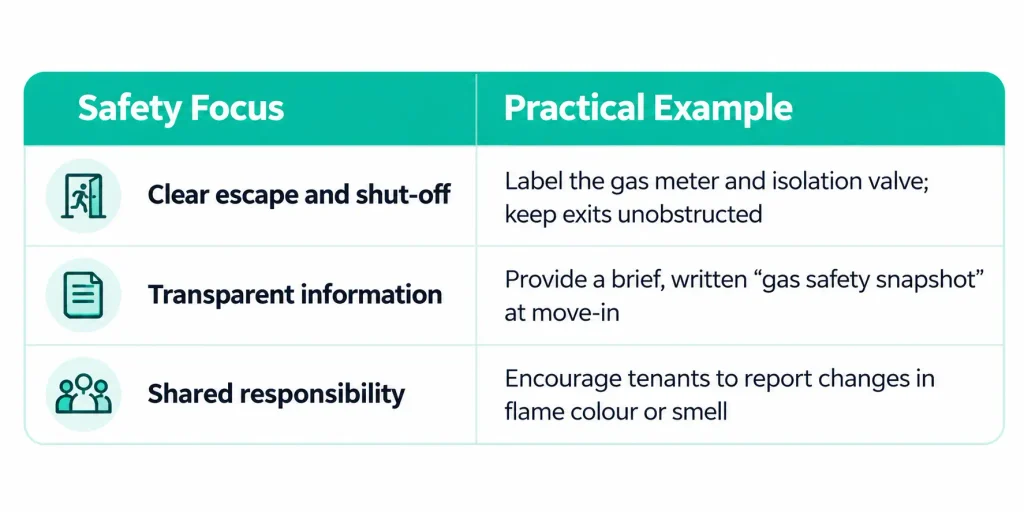
Giving tenants straight facts, easy instructions, and rapid access to help lets them live freely while knowing unseen systems are under control, preserving both independence and safety.
Frequently Asked Questions
Can I Use a Letting Agent to Handle All Gas Safety Duties for Me?
Yes, a landlord can delegate gas safety duties to a letting agent, but the landlord remains legally responsible. They must guarantee written agreement, agent competence, valid Gas Safety Certificates, timely renewals, and clear records to safeguard tenants and autonomy.
What Penalties or Fines Could I Face for Missing a Gas Safety Check?
They risk prosecution, unlimited fines, and potentially imprisonment up to six months. Councils can issue improvement notices, ban them from letting, invalidate insurance, and tenants could claim compensation, sharply limiting their freedom to operate or expand rentals.
Does Landlord Insurance Require Proof of Current Gas Safety Certificates?
Yes, most UK landlord insurance policies expect a valid gas safety certificate, though wording varies. Insurers may demand proof when starting, renewing, or claiming; without evidence, cover for gas‑related damage or liability can be refused.
How Do Gas Safety Rules Differ for HMOS Compared With Single Lets?
Gas safety rules are stricter for HMOs: mandatory annual checks, clearer shared-area responsibilities, tighter record‑keeping, and stronger enforcement. Single lets follow similar regulations, but HMO licensing conditions, inspections, and penalties create a more controlled, less flexible environment for landlords.
Are Smart Gas Meters and Monitors Helpful or Required for Landlord Compliance?
Smart gas meters and monitors are optional, not legally required. They can empower landlords and tenants with real‑time use of data and leak alerts, but they never replace mandatory annual gas safety checks and proper record‑keeping responsibilities.
Conclusion
To sum up gas safety tips for new landlords, gas safety is a legal duty and a moral responsibility. By understanding their obligations, arranging timely gas safety checks, and maintaining accurate records, they create a safer living environment for tenants. Regular inspections of appliances, flues and pipework, together with prompt action on any issues, help prevent accidents and carbon monoxide risks. Ultimately, consistent compliance with gas safety regulations protects both tenants’ wellbeing and landlords’ long-term investment.