
During a “fast EICR inspection London”, an electrician checks the consumer unit, breakers, and RCDs, ensuring ratings, labels, and terminations are safe. They test circuits for continuity, insulation resistance, polarity, and earth fault loop impedance. Sockets, switches, and visible wiring are inspected for damage, overheating, and poor artistry. Earthing and bonding are verified for compliance. The electrician then issues an EICR stating if the installation is satisfactory and what issues, if any, need attention next.
Key Takeaways
- Electricians quickly review your existing EICR and walk the property to assess wiring condition, number of circuits, and any recurring electrical issues.
- They inspect the consumer unit, checking for overheating, correct breaker ratings, secure connections, and adequate RCD protection for vulnerable circuits.
- They test each circuit’s continuity, insulation resistance, earth fault loop impedance, and polarity using calibrated meters to confirm safe disconnection times.
- They visually inspect sockets, switches, visible wiring, and bonding arrangements, looking for damage, overheating, poor installation, or missing earthing.
- They compile a same-day EICR report stating whether it is Satisfactory or Unsatisfactory, highlighting dangerous defects and recommending any urgent or optional remedial works.
Table of Contents
Are you looking for a Fast EICR Inspection in London?
Why do so many property owners in the capital now prioritise fast EICR inspections in London? They want electrical safety confirmed quickly so tenants can move in, sales can complete, and short‑let calendars stay open. Delays mean void periods, cancelled bookings, or stalled refinancing—constraints that freedom‑minded owners refuse to accept.
Those seeking a fast EICR are not usually seeking shortcuts; they want efficient scheduling, clear communication, and minimal disruption to their use of the space. They look for electricians who can attend at short notice, work within tight time windows, and provide documentation without bureaucratic lag.
Are you looking for a fast EICR inspection in London? Contact Landlord Safety Cert for a prompt, professional, and reliable service. Our qualified electricians carry out thorough electrical inspections, identify potential safety issues, and provide clear EICR reports for landlords, homeowners, and property managers. We arrange flexible appointments and work efficiently to reduce disruption at your property.
How an Electrician Starts the EICR Assessment
Once a fast EICR visit in London has been booked around the owner’s schedule, the electrician begins by establishing a clear picture of the installation before touching any wiring. They review any existing certificates, previous reports, and alterations noted by the owner, clarifying which areas must remain powered for work or daily life. This respects the occupier’s freedom to keep essential activities running.
On arrival, they walk through the property, noting the age and apparent condition of accessories, visible cabling routes, and any obvious damage or DIY additions. They confirm how many circuits are present and where they serve, mapping out the installation in practical terms. The electrician also discusses any recurring issues: tripping, overheating smells, buzzing switches, or unreliable sockets. By combining paperwork, visual clues, and the owner’s experience, they shape a focused assessment strategy that keeps disruption minimal while still meeting the legal and safety requirements of an EICR.
Checking the Consumer Unit and Protective Devices
Attention then turns to the consumer unit, where incoming power, breakers, and RCDs are housed. The electrician removes the cover and visually inspects for overheating, scorching, loose conductors, and any improvised additions that could threaten a person’s freedom to use power safely. They check that the consumer unit is correctly rated for the supply, securely fixed, and appropriately enclosed, with no exposed live parts. Understand what is a consumer unit: UK homeowners’ guide to electrical safety.
They verify each protective device’s type, rating, and labeling against the property’s demand and regulatory requirements. Breaker sizes are compared with cable sizes to confirm that, under fault or overload conditions, the device will disconnect before cables are damaged. RCD coverage is reviewed to ensure vulnerable circuits, such as sockets and outdoor supplies, receive additional protection. The electrician notes any outdated or mixed protective technologies that could compromise both safety and the user’s right to flexibility, and with confidence.
Testing Electrical Circuits for Safety and Performance
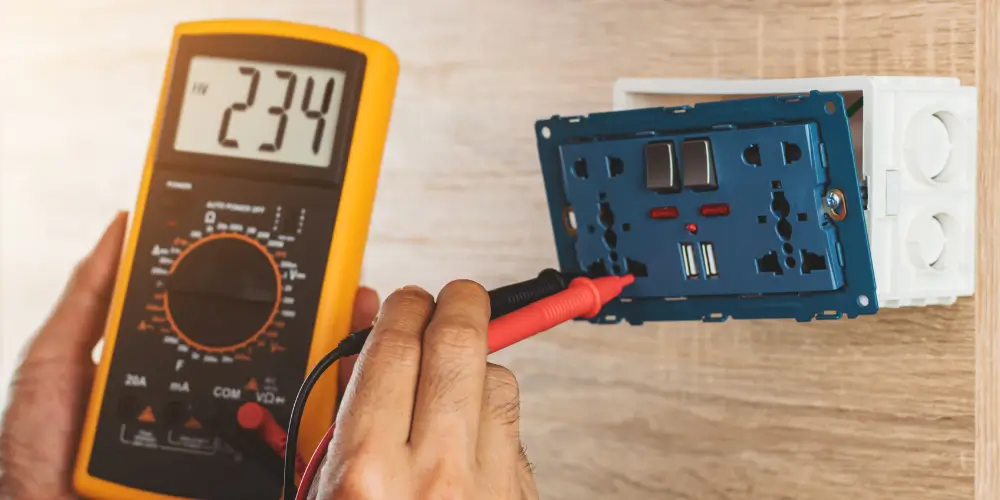
With the visual checks complete, the electrician moves on to instrument-based testing to verify that each circuit is both safe and performing as intended. Using calibrated meters, they measure continuity of protective conductors, ensuring fault currents have a low-resistance path to earth. Insulation resistance is tested at controlled voltages to confirm that live parts are properly separated and that hidden damage cannot compromise safety or independence.
They then check the earth-fault loop impedance to verify that protective devices will disconnect quickly enough during a fault, thereby limiting touch voltage and the risk of electric shock. Polarity tests confirm that live and neutral conductors are correctly connected, preventing dangerous miswiring that could silently restrict a person’s control over their environment. Finally, functional tests simulate real-world operation of circuits under load, revealing weaknesses that might otherwise limit reliability, flexibility, or the safe use of high‑demand appliances and technology in the property.
Inspecting Sockets, Switches, and Visible Wiring
After the core circuit tests are complete, attention shifts to the installation’s “user interface”: sockets, switches, and any visible wiring. During a “fast EICR inspection London”, the electrician moves quickly but methodically, scanning for anything that could restrict safe, independent use of the space. They look for wear, overheating, and past DIY alterations that may undermine both safety and flexibility.
Key checks typically include:
- Condition of socket fronts and switches, ensuring no cracks, burn marks, or looseness
- Secure fixing of accessories to walls, preventing movement that could stress cables
- Integrity of visible wiring: no cuts, abrasions, or crushing behind furniture or trunking
- Correct types of accessories in bathrooms, kitchens, and outdoor areas to resist moisture and impact
- Signs of overloading, such as multiple adaptors or discoloured outlets, may limit reliable power use
These observations feed into the final EICR report and any recommended remedial work.
Checking Earthing and Bonding Arrangements
Once the condition of sockets, switches, and visible wiring has been confirmed, the focus shifts to how safely fault currents are managed through earthing and bonding. During a fast EICR in London, the electrician quickly identifies the main earthing terminal, confirming that it is correctly sized, secure, and connected to the supply earth or earth electrode.
They then trace and assess main protective bonding conductors to gas, water, and other incoming services, ensuring these links are present, continuous, and labelled where required.
Any undersized or makeshift bonding that could compromise disconnection times is noted as a limitation on a person’s freedom to use their installation confidently.
Supplementary bonding in bathrooms or other special locations is checked, where applicable, to verify that all exposed metal parts are intentionally linked.
Throughout, the electrician records any breaks, corrosion, or outdated green-only earth cables that could undermine a reliable fault path.
Testing RCD Protection and Circuit Breakers
A critical stage in any fast EICR in London involves verifying that residual current devices (RCDs) and circuit breakers will disconnect the supply quickly and reliably under fault conditions. The electrician focuses on whether these safety devices operate within the strict time limits that protect people from electric shock and prevent fault currents from escalating.
They use calibrated test instruments to simulate faults, without interfering with the client’s daily rhythm more than necessary. Timed tests are carried out at different current levels to confirm both sensitivity and speed, ensuring protection supports flexible, confident use of the installation.
Key checks typically include:
- Measuring RCD trip times at rated and 5× rated residual current
- Confirming trip thresholds match the circuit’s intended use
- Verifying the operation of MCBs and RCBOs on each final circuit
- Ensuring discrimination between main and downstream protection
- Recording any failed or sluggish devices for urgent replacement

Identifying Signs of Overheating, Damage, or Poor Installation
With protective devices proven to operate correctly, attention turns to evidence that the installation itself is suffering stress, wear, or poor artistry. The electrician looks for scorching, discoloration, or melting around sockets, switches, and consumer units, as these suggest overheating or loose terminations. Any smell of burnt insulation, even if faint, is treated as a warning that a circuit may be operating on the edge of failure. They check cables for crushed insulation, exposed copper, or brittle sheathing, especially where DIY work may have been added.
Signs such as mismatched breakers, crowded consumer units, or unsupported cables draped over sharp edges indicate poor installation practices. Accessories are also examined: cracked faceplates, wobbly sockets, or switches that feel rough in operation can signal internal damage. Here are the basics of the EICR test procedure: Step-by-step guide for UK homes and landlords.
What Happens After a Fast EICR Inspection?
Following a “fast EICR inspection London”, the electrician compiles the findings into a formal report that clearly states whether the installation is Satisfactory or Unsatisfactory. This gives the property owner a clear snapshot of electrical safety, allowing informed choices without delays or guesswork. The report highlights any dangerous or potentially restrictive defects, so plans renting, selling, refurbishing, or simply living freely—are not held back by hidden risks.
Typical next steps include:
- Reviewing coded observations (C1, C2, C3, FI) and understanding their impact on day‑to‑day use.
- Prioritising urgent remedial work so that dangerous circuits no longer limit how the space can be used.
- Scheduling optional improvements that enhance flexibility, capacity, and long‑term safety.
- Obtaining written quotes for remedial work and agreeing on realistic timeframes.
- Receiving an updated EICR or minor works certificates once issues are resolved, restoring compliance and peace of mind.
Frequently Asked Questions
How Much Does a Fast EICR Inspection in London Typically Cost?
A fast EICR inspection in London typically costs £120–£250, varying with property size, urgency, and access. Freedom‑minded clients often compare independent electricians, avoid hidden call‑out fees, and demand clear, itemised quotes before confirming any rapid compliance work.
Can I Stay in the Property During a Fast EICR Inspection?
Yes, you can usually stay and move freely between rooms as circuits are tested. The electrician may briefly cut power to certain areas, so they should expect minor disruption, but no requirement to leave unless safety hazards emerge.
Do Landlords and Homeowners Need Different Types of EICR Reports?
Yes. Landlords usually need an EICR that explicitly confirms compliance with current rental safety regulations. At the same time,e homeowners can use a standard condition report primarily for personal assurance, sale readiness, or future renovation freedom and planning.
How Often Should a Fast EICR Be Repeated in Rental Properties?
A fast EICR in rental properties should normally be repeated every five years, or at each change of tenancy. High‑risk or heavily altered installations might sensibly choose shorter intervals, balancing safety with a desire for minimal restriction.
Will a Fast EICR Inspection Disrupt My Business Operations or Tenants?
It usually causes only minor disruption; power may be briefly isolated in different circuits. An efficient electrician coordinates timing, works in zones, and restores supply quickly, allowing businesses and tenants to keep most activities flowing with minimal interference.
Conclusion
In conclusion, a “fast EICR inspection London” offers landlords, homeowners, and businesses a clear snapshot of their electrical safety. By systematically checking consumer units, circuits, wiring, and protective devices, the electrician can quickly highlight urgent risks and emerging issues. The resulting report enables informed decisions about repairs, upgrades, and ongoing maintenance, helping to guarantee compliance with regulations while reducing the likelihood of electrical faults, power interruptions, or dangerous incidents in the future.