



An EICR certificate booking in London usually includes an electrician’s time on site, inspection and testing of a set number of circuits, and the written EICR report. The price often excludes remedial repairs, retests, replacement parts, and extra charges such as parking, congestion or additional circuit testing beyond the agreed scope. Travel surcharges may apply for distant locations. The exact inclusions, circuit limits and potential extras become clearer once the full pricing breakdown is explored.
Key Takeaways
- The quoted EICR price usually covers the site visit, visual inspection of accessible wiring, full testing within scope, and the written EICR report.
- Pricing typically depends on property size, number of circuits, installation complexity, and location, with larger or older properties costing more.
- Quotes often limit how many circuits and which tests are included; extra circuits or specialist tests may incur additional charges.
- Remedial repairs, replacement parts, retests after faults are fixed, and follow-up visits are normally excluded and charged separately.
- Additional costs such as travel, parking, congestion charges, or out-of-hours appointments may be added on top of the base EICR fee.
Table of Contents
How the EICR Price Is Calculated
In London and across the UK, the price of an Electrical Installation Condition Report (EICR) is typically calculated based on a combination of property size, number of circuits, and the complexity of the electrical installation. Larger homes or HMOs with many rooms usually command higher fees because the electrician must test more circuits and spend longer on-site.
Electricians also consider the consumer unit type, accessibility of cabling, and whether records or previous test certificates exist. A simple flat with a modern board costs less than an older property with improvised additions. Rates further depend on the contractor’s qualifications, insurance, and local demand. Transparent, itemised pricing lets owners compare quotes and choose freely without being locked into a single provider.

Is the Electrical Inspection Fully Covered?
While pricing helps owners budget for an EICR in London and across the UK, many still question whether the electrical inspection itself is fully covered by the quoted fee. In most cases, the base price includes a visual inspection of accessible wiring, consumer units, switches, and accessories, along with professional assessment against current wiring regulations.
However, “fully covered” rarely means limitless work. The fee usually covers the inspection time, basic documentation, and the resulting EICR report. It does not typically include remedial repairs, replacement parts, or follow‑up visits. Some providers may cap the time spent on site or exclude inaccessible areas. Clarity comes from a written quote that defines exactly what the electrician will inspect and what triggers additional charges.
Are Circuit Tests Included in the Cost?
Although the term “EICR” might suggest that all testing is automatically included, circuit tests are only covered up to the scope defined in the provider’s quote. In practice, this means some providers price for testing every circuit in the consumer unit, while others include only a set number before adding extra charges.
A freedom‑minded client will want clarity before committing: how many circuits are included, what types of tests will be carried out (e.g., continuity, insulation resistance, RCD testing), and whether any frequently unused or outbuilding circuits are excluded. Hidden distribution boards, EV chargers, garden supplies, or outbuildings may fall outside the base fee. Transparent, itemised quotes allow the customer to decide which circuits genuinely matter and avoid unwanted financial surprises.
Is the Final EICR Report Included?
Prospective clients often wonder whether the final written EICR report is automatically part of the quoted price or treated as an add‑on. In most professional arrangements, the documented report is included, since an Electrical Installation Condition Report without written evidence restricts a client’s ability to act freely on the findings, prove compliance, or compare quotes for remedial work.
Clients seeking clarity and autonomy usually confirm in writing that the fee covers:
- A formal EICR document stating an overall outcome (satisfactory or unsatisfactory).
- Classified observations with corresponding codes (e.g., C1, C2, C3, FI).
- A clear record of test results and limitations for future reference.
Does the Price Include Engineer Travel?
Frequently overlooked in EICR quotes, engineer travel can materially affect the final price if not clarified upfront. Many providers build travel into a flat fee within a defined radius, while others charge per mile or per journey time beyond a base area. If this structure is not transparent, clients may feel tied down by unexpected add‑ons after committing.
A clear quote should specify whether the listed price is fully inclusive of the engineer’s time getting to and from the property, and where any distance thresholds apply. Freedom‑minded clients typically prefer fixed, all‑in pricing that lets them budget confidently and compare offers without guesswork. Asking directly, “Is engineer travel fully included in this price?” removes ambiguity before booking.
Are Access or Parking Charges Extra?
Once engineer travel has been clarified, the next cost point to pin down is access and parking. Many providers separate these from the headline EICR fee, especially in dense urban areas or controlled developments. A freedom‑minded customer will want these details confirmed upfront to avoid restrictive surprise costs.
Common situations where extra charges may appear include:
- Paid on‑street or multi‑storey parking near the property
- Controlled entry systems, concierge access, or key collection offsite
- Congestion, emission, or private estate access fees charged per visit
A transparent provider will specify whether these items are included, capped, or fully chargeable. Clarifying them in writing before booking allows the customer to choose time slots, access methods, or even alternative locations that minimise these add‑ons.
Does Property Size Change the Price?
Although the headline EICR rate might look fixed, property size almost always influences the final price because it directly affects how long the inspection takes. A compact flat can be checked swiftly, while a large home with several levels takes more time to move through, test, and record. For anyone who values flexibility in their budget, understanding this link between size and cost helps avoid surprise fees.
A simple way to visualise it is:
| Property Type | Typical Size Guide | Relative EICR Cost Impact |
| Studio / 1‑bed | Up to ~50 m² | Lowest |
| 2–3 bed apartment | ~50–90 m² | Medium |
| Large house / HMO | 90 m² and above | Higher |
Smaller properties usually mean shorter inspections and leaner prices.
Do More Circuits Increase the Cost?
Because an EICR involves testing every circuit on the consumer unit, the number of circuits in a property has a direct impact on cost. Each circuit must be isolated, inspected, and tested individually, so more circuits mean more labour time and detailed reporting. This naturally increases the overall price of the inspection, even if the property’s physical size is modest.
Customers who value flexibility and predictable spending usually look at how circuit numbers influence:
- Time on site – extra circuits extend testing time and can limit same‑day flexibility.
- Complexity of checks – multiple lighting, socket, and specialist circuits demand deeper investigation.
- Report length and admin – more observations, test results, and coding entries require additional documentation work.
Are Urgent Bookings Charged Differently?
In many cases, urgent EICR bookings do attract different charges, largely due to the disruption and prioritisation they require. Same‑day or next‑day appointments often mean reshuffling an electrician’s schedule, working outside standard hours, or travelling further, all of which can lead to premium pricing. For someone who values flexibility and minimal restriction, understanding these variations helps them choose when urgency is truly worth paying for.
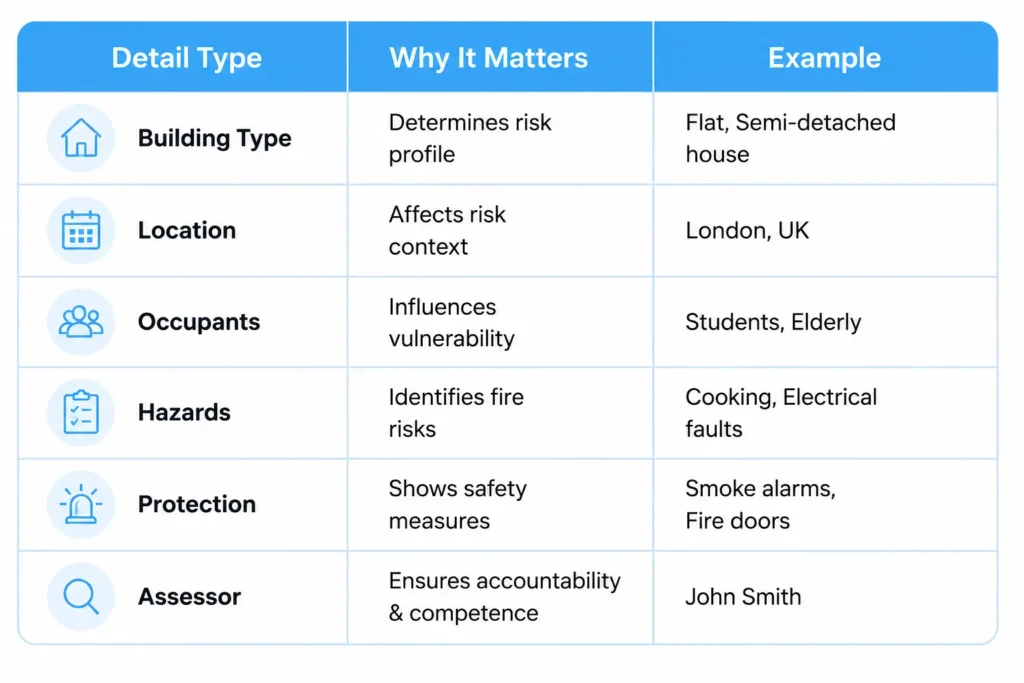
Many providers display these tiers upfront so clients can decide freely.
Is Remedial Work Included in the Quote?
Frequently, an EICR quote covers only the inspection and report itself, not the cost of fixing any issues found. Remedial work is usually treated as a separate service, with its own estimate, labour rate, and material costs. This separation allows owners and landlords to decide how, when, and by whom any corrective work is carried out, rather than being locked into one provider.
To stay in control of both budget and choice, many people ask the electrician to clarify:
- Exactly what the inspection fee includes and excludes
- How remedial work will be priced if defects are identified
- Whether they are free to use another contractor for repairs
Are Retests Included After Repairs?
Prospective clients are often surprised to learn that EICR retests after remedial work are not automatically included in the original inspection fee. In most cases, the initial EICR covers only the inspection, testing, and written report that identifies departures from current regulations. Once faults are corrected, a return visit is usually treated as a separate service.
Some electricians offer a reduced‑fee “visual confirmation” if only minor issues were noted, while others charge a full or partial EICR rate for thorough retesting. The scope of the retest matters: confirming one replaced accessory is very different from re‑testing an entire installation. Clients who value flexibility should confirm in advance whether retests are priced per item, per circuit, or as a fixed revisit fee.
What Additional Charges Should You Check?
Beyond retest fees, clients should also clarify any ancillary charges that can significantly affect the total cost of an EICR. Freedom from surprise costs starts with knowing exactly what may appear on the invoice beyond the headline price. Many providers advertise an attractive base rate, then add extras that limit a client’s flexibility and budget control.
Typical extra charges may include:
- Travel or congestion fees for properties outside a contractor’s core area
- Premiums for evening or weekend appointments, often marketed as “out‑of‑hours” rates
- Supplementary costs for additional circuits, distribution boards, or inaccessible areas
Clients who value autonomy over their spending should request clear, itemised information about these elements in advance, so they can decide whether the service still aligns with their financial comfort and expectations.
How to Compare EICR Quotes Properly
When multiple contractors present attractive EICR prices, meaningful comparison depends on looking past the headline figure to the structure and scope of each quote. A freedom-minded client checks how each electrician measures time on site, number of circuits, and what level of testing is promised. They also look for transparent wording that makes it easy to walk away from hidden constraints.
| Comparison Point | Why It Matters | What To Look For |
| Number of Circuits | Prevents surprise extras | Clear circuit limit or “unlimited” |
| Remedial Pricing | Avoids trapped, inflated costs | Fixed menu or hourly rate stated |
| Retest Fees | Guarantees fair path to compliance | Included or capped revisit charge |
| Report Detail Level | Supports future flexibility | Sample report or description |
| Booking Conditions | Protects schedule and control | Cancellation and rescheduling terms |
Are Landlord and Commercial EICRs Priced Differently?
Many clients notice that landlord and commercial EICRs are often priced on different bases, even if the tests follow the same core regulations. Pricing usually reflects how complex the installation is, how long the inspection will take, and what level of reporting is required for each type of property.
Key factors that often separate landlord from commercial EICR pricing include:
- Scale and complexity – commercial premises typically have more circuits, three‑phase supplies, and specialist equipment.
- Usage patterns – higher demand, continuous use, and business‑critical systems often require deeper investigation and more careful scheduling.
- Risk and liability – commercial environments can carry higher potential losses, pushing inspectors to allow extra time and detail.
As a result, commercial EICRs usually command higher, more variable fees than standard landlord reports. Check EICR Cost Checklist London / EICR Cost Checklist: What Can Increase the Price in London?
Book an EICR With Clear Pricing
Understanding these differences in scope and complexity helps property owners know what to expect before committing to an inspection. When booking an EICR, many choose providers who publish fixed prices upfront, with clear limits on circuit numbers and property size. This transparency allows owners to compare options without pressure or hidden extras.
A straightforward booking page typically shows what is included: visual checks, live testing, written report, and basic remedial advice. Any potential add‑ons such as out‑of‑hours visits, additional distribution boards, or urgent turnaround should be listed with firm costs. If you are looking for cheap prices, read our blog post Cheap EICR Certificate Near Me: What Landlords Must Check First.
Frequently Asked Questions
Do I Need to Be Present During the Entire EICR Inspection?
No, constant presence is not required; only access and arrangements for keys, pets, or alarms matter. The electrician can work independently, though brief arrival and wrap‑up conversations help clarify findings, remedial options, and future flexibility.
How Long Does a Typical EICR Inspection Take?
A typical EICR inspection usually takes 2–4 hours, depending on property size, accessibility, and installation complexity. Larger homes, numerous circuits, or historic wiring can stretch this, while smaller, modern properties are often completed more quickly.
How Often Should I Renew My EICR Certificate?
They should usually renew an EICR every 5 years for rented or commercial properties, or at each change of tenancy. Homeowners typically renew every 10 years, or sooner after major electrical alterations or safety concerns.
Can I Use the Same EICR for Multiple Letting Agents?
Yes, the same valid EICR can usually be used with multiple letting agents, as it belongs to the property, not the agent. It must be in date, accurate, and reflect the current electrical installation.
What Happens if My Property Fails the EICR Inspection?
If a property fails the EICR, the report lists unsatisfactory codes and required remedial work. The owner must arrange repairs within specified timescales, then obtain a satisfactory EICR, restoring legal freedom to let or occupy safely.
Conclusion
Understanding exactly what’s included in an EICR certificate booking helps property owners avoid surprise costs and compare quotes fairly. By checking whether circuit testing, the final report, travel, and remedial work are clearly itemised, they can judge real value rather than headline price. Being aware of differences between domestic, landlord, and commercial EICRs also prevents confusion. With transparent pricing, booking an EICR in London or across the UK becomes a straightforward compliance step, not a guessing game.