

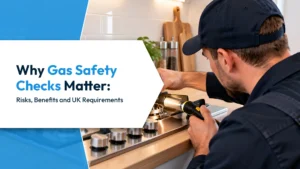

This guide gives you a detailed comparison of “Gas Safety Certificate vs Boiler Service.” In the UK, a Gas Safety Certificate is the legal annual check landlords must book to prove all gas appliances are safe. A boiler service is optional but strongly recommended for both landlords and homeowners to maintain efficiency, prevent breakdowns, and extend boiler life. The certificate is a compliance document, while a service is preventative maintenance. Landlords usually need both for safe, hassle‑free rentals, and the differences become clearer once you understand each check in detail.
Key Takeaways
- Landlords in the UK must book an annual Gas Safety Certificate by law; boiler servicing is recommended but not a legal requirement.
- A Gas Safety Certificate is a pass/fail safety check of all gas appliances and flues, confirming legal compliance and tenant safety.
- A boiler service focuses on performance, efficiency, and reliability, cleaning and adjusting the boiler to reduce breakdowns and energy bills.
- Homeowners typically book a boiler service annually and may add a Gas Safety Check for extra assurance, especially before selling a property.
- Landlords should book both: the Gas Safety Certificate to meet legal duties, and regular boiler servicing to protect the system and avoid costly failures.
Table of Contents
What Is a Gas Safety Certificate?
Although often confused with routine boiler maintenance, a gas safety certificate is a formal document issued by a Gas Safe registered engineer confirming that gas appliances, pipework, and flues in a property have been checked and meet current safety standards. It records whether each appliance is safe to use at the time of inspection and highlights any defects that could restrict a person’s ability to live or let property without risk. For landlords in the UK, this certificate is a legal requirement, renewed at least every 12 months for rented homes, HMOs, and short‑term lets. Homeowners are not legally obliged to obtain one, yet many choose to do so to protect their freedom to use gas heating and cooking without hidden danger. The document also supports insurance validity and smooth property sales, demonstrating that essential gas safety duties have been met.

What Is Included in a Boiler Service?
A boiler service is a structured check carried out by a qualified engineer to confirm a boiler is operating safely, efficiently, and in line with manufacturer and regulatory standards. It typically begins with visual inspections of the appliance, flue, and ventilation to spot signs of damage, corrosion, or incorrect installation that could restrict a person’s control over their living environment. The engineer then tests gas pressure and combustion, often using a flue gas analyser, to verify clean burning and low carbon monoxide output. Internal components such as the burner, heat exchanger, ignition system, and seals are cleaned and examined, with worn parts highlighted for replacement. Controls, thermostats, and safety devices are checked to guarantee reliable shut‑off and responsive heating. Finally, the engineer records findings, notes any risks or efficiency issues, and advises on actions that keep the boiler dependable, economical, and ready for flexible, on‑demand use.
Gas Safety Certificate vs Boiler Service
While closely related in purpose, a Gas Safety Certificate and a boiler service fulfil distinct roles in maintaining a gas installation. One focuses on legal compliance and proof of safety; the other focuses on performance, longevity, and comfort. Understanding the distinction lets owners and landlords choose only what they genuinely need, instead of over-booking visits out of uncertainty.

Seen side by side, the certificate is about meeting obligations; servicing is about protecting freedom from breakdowns, high bills, and unnecessary risk.
What Does a Gas Safety Check Cover?
During a gas safety check, a qualified Gas Safe engineer carries out a structured inspection of every gas appliance, flue, and accessible section of pipework in the property. They confirm each appliance is correctly installed, suitably located, and supplied with adequate ventilation so occupants can use gas freely without hidden risks. Key tests include checking the burner pressure and gas rate against manufacturer instructions, verifying that safety devices operate correctly, and ensuring the flame burns cleanly and steadily. Flues and chimneys are assessed to confirm combustion products are safely expelled, with no blockages or leaks. The engineer also checks for gas tightness on the pipework, looking for leaks that could threaten both safety and the right to live without constraint from constant worry. Finally, they record their findings on a formal document, detailing each appliance checked and noting any defects that require attention to restore full, confident use. Check out the detailed post: What Happens During a Gas Safety Inspection? Checks, Process and Requirements
Which Check Is a Legal Requirement for Landlords?
Understanding what a gas safety check involves naturally raises the question of which checks the law requires landlords to carry out. In the UK, legislation focuses on preventing danger from gas appliances in rented homes, giving tenants the freedom to live without hidden risks. Landlords must guarantee that any gas installation, appliance, or flue they provide is checked at regular intervals by a suitably qualified professional. The key legal duty is clear: a valid record must confirm that essential gas safety checks have been carried out within the legally defined timeframe. This obligation applies regardless of whether the property is let short‑term or long‑term, furnished or unfurnished, or how often the appliances are used. The law aims to protect both sides of the tenancy agreement, ensuring that landlords meet a baseline safety standard while allowing responsible tenants to enjoy their homes without unnecessary interference.
Which Check Is Required for Landlords?
So what exactly must a landlord arrange to stay compliant? In the UK, landlords must secure a valid Gas Safety Certificate (often called a CP12) every 12 months for any property with gas appliances. This is the only check that the law explicitly demands. It covers gas boilers, fires, hobs, and associated pipework, and a Gas Safe registered engineer must carry it out. Tenants must receive a copy within 28 days, and new tenants before moving in. Read our blog post Gas Safety Check Before New Tenants Move In: London Landlord Guide
A boiler service, while strongly recommended for efficiency and reliability, remains optional from a legal standpoint. Landlords may choose the minimal route—just the annual gas safety check—or take a more proactive stance by combining it with regular servicing. What matters for compliance and avoiding restrictions is that the gas safety inspection is completed on time, documented correctly, and repeated every year, ensuring both legal freedom and safe use of the property’s gas system.
Can a Boiler Service Replace a Gas Safety Check?
At first glance, a thorough boiler service might appear sufficient, but it cannot automatically replace a formal Gas Safety Check. A service focuses on performance and reliability: cleaning components, checking combustion, and optimising efficiency so the boiler runs smoothly and uses less fuel. It is about comfort, savings, and avoiding breakdowns. A Gas Safety Check, by contrast, is a legal‑standard safety assessment of all gas appliances and flues in the property. It verifies that equipment is installed correctly, burning gas safely, and not leaking carbon monoxide or gas. Only a Gas Safe registered engineer can issue the official record that proves those checks were completed. A homeowner seeking maximum freedom over their living space may choose frequent services for peace of mind, but that personal choice does not erase regulatory expectations. Service paperwork alone does not carry the same recognised status as a compliant Gas Safety record.
Do You Need Both for a Rental Property?
In rental properties, the need for both a Gas Safety Certificate and a boiler service depends on legal duty versus best practice. By law, landlords must hold a valid Gas Safety Certificate, renewed every 12 months, covering all gas appliances and flues. Without it, they cannot legally rent out the property, regardless of any servicing carried out. A boiler service, however, is not a strict legal requirement. It is a preventive measure that keeps the system efficient, reduces the risk of breakdowns, and can extend boiler life. Landlords who value low hassle and fewer emergency callouts often choose an annual service alongside the mandatory safety check.

Keeping Gas Safety and Boiler Records
Because gas documentation underpins both legal compliance and system reliability, meticulous record-keeping is essential for any rental property. Landlords who keep clear records gain flexibility: they can prove compliance instantly, move between tenants without delays, and choose contractors on their own terms instead of reacting to last‑minute emergencies. At minimum, they should retain the current Gas Safety Certificate (plus the previous two years), boiler service reports, invoices, and any repair or parts-replacement notes. Digital copies stored securely in the cloud give owners access from anywhere and simplify sharing documents with agents, insurers, or local authorities. Each record should clearly show the engineer’s Gas Safe registration number, work completed, test results, identified defects, and any recommendations. Consistent labelling by property and date prevents confusion across a portfolio. With organised records, landlords set their own schedule, avoid enforcement pressure, and maintain safer, more reliable heating on their own timetable.
Frequently Asked Questions
How Much Do Gas Safety Certificates and Boiler Services Typically Cost in the UK?
Gas safety certificates typically cost £60–£120, while boiler services usually range from £70–£120 in the UK. Prices vary by region, provider, and boiler type, so individuals compare quotes freely to avoid inflated, restrictive charges.
How Long Does Each Appointment Usually Take to Complete?
Each appointment usually takes 30–60 minutes. A gas safety check is often closer to 30–40 minutes, while a full boiler service typically runs 45–60 minutes, depending on system complexity and any issues uncovered.
Can I Stay at Home During a Gas Safety Check or Boiler Service?
Yes, they can stay home during both. The engineer simply needs clear access to appliances, meters, and vents. They’re free to work, relax, or observe, provided pets and children don’t interfere with safety procedures.
How Do I Verify My Engineer Is Properly Registered and Qualified?
They verify by checking the engineer’s Gas Safe ID card, confirming photo, licence number, expiry date, and permitted appliances, then cross‑checking the number on the official Gas Safe Register website or phone line for independent confirmation.
What Should I Do if My Boiler or Gas Appliance Fails the Inspection?
They should switch off the appliance, avoid using it, and ventilate the area. Then they must follow the engineer’s written report, arrange necessary repairs or replacement, and only resume use once it passes a fresh safety check.
Conclusion
In conclusion, “Gas Safety Certificate vs Boiler Service.” Gas safety certificates and boiler services serve different but complementary purposes. The gas safety certificate is a legal requirement for UK landlords, confirming all gas appliances are safe, while a boiler service focuses specifically on efficiency, performance, and ongoing reliability. For rental properties, both are essential: annual gas safety checks meet regulations, and regular boiler servicing prevents breakdowns, protects tenants, and preserves warranties. Keeping accurate records guarantees compliance and demonstrates responsible property management.