
What is a CP12 certificate? A CP12 certificate, also called a Gas Safety Record, confirms that a landlord’s gas appliances, flues, and pipework in a rented property have been checked and found safe by a Gas Safe registered engineer. It’s a legal requirement for all rented homes with gas, including HMOs and holiday lets. The certificate lists each appliance, test results, and engineer details. It proves compliance with gas safety law and is the starting point for understanding wider landlord gas responsibilities.
Key Takeaways
- A CP12 certificate (Gas Safety Record) is an official document confirming gas appliances and pipework in a rented property have passed safety checks.
- It must be issued annually by a Gas Safe registered engineer after inspecting appliances, flues, and associated pipework for leaks, pressure, and safe ventilation.
- Landlords of any rented property with gas appliances are legally required to hold a valid CP12 and give new tenants a copy before they move in.
- The certificate is valid for 12 months; landlords must retain records for at least two years and provide updated copies to tenants within 28 days of each check.
- Failure to obtain or provide a CP12 can lead to enforcement action, legal penalties, and restricted access to certain eviction processes.
Table of Contents
What Is a CP12 Certificate?
A CP12 certificate in the UK, also known as a Landlord Gas Safety Record, is the official document issued by a Gas Safe registered engineer after inspecting and testing gas appliances, flues, and associated pipework in a rented property. It confirms that the installation has been checked against current gas safety standards on the date of the visit and records any defects or advisory notes.
The certificate typically lists each gas appliance, its location, the test results, and the engineer’s details and Gas Safe registration number. It also notes any work required to bring the system back to a safe condition.
Rather than being a mere formality, the CP12 serves as transparent evidence that hidden systems boilers, fires, cookers, and pipework are not quietly putting people at risk. It gives landlords a clear, time‑stamped snapshot of system condition, enabling informed decisions without guesswork or dependence on vague verbal assurances.
Who Needs a CP12 Gas Safety Record?
Not every property owner in the UK is legally required to have a CP12 gas safety record, but any landlord who lets out accommodation with gas appliances does. This includes those renting entire houses or flats, individual rooms in shared properties, student lets, HMOs, and short‑term holiday rentals where gas appliances are present.
Both private and social landlords fall under this duty. Even if a landlord lives in the same building, a CP12 is required for any self‑contained or separately rented part with gas appliances or flues serving it. Company landlords and managing agents who control tenancies also carry this responsibility. Homeowners who occupy their own property are not legally required to hold a CP12, though many choose annual checks for peace of mind. The key trigger is simple: once a property with gas appliances is let as someone else’s home, a valid CP12 becomes a legal obligation.
What Does a CP12 Gas Safety Check Cover?
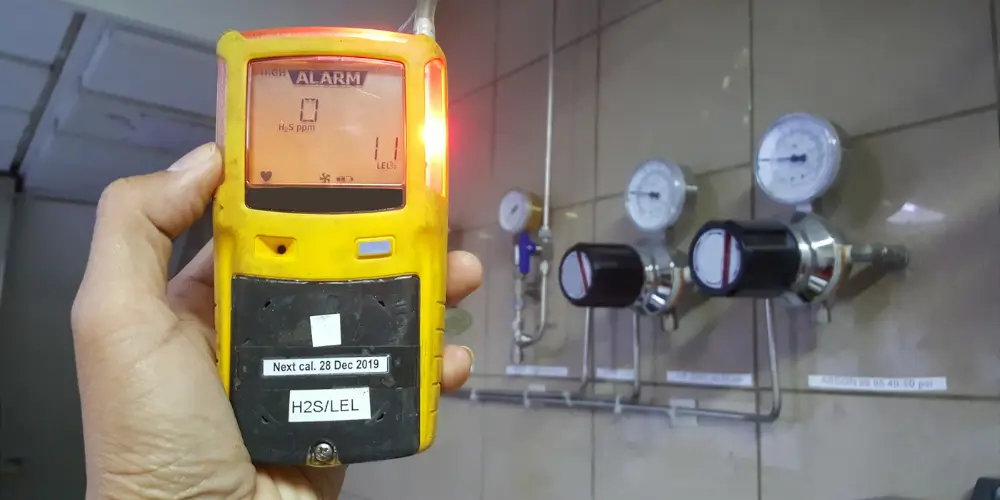
A CP12 gas safety check covers the gas appliances, flues, pipework, and relevant safety arrangements provided for tenants’ use. A Gas Safe registered engineer checks the installation and appliances for safe operation, looking for defects that could create risks such as gas leaks, unsafe combustion, or exposure to combustion products. The exact checks depend on the appliances and installation present at the property.
The engineer checks gas appliances and their condition, gas tightness and supply pipework, gas pressure and appliance operation, as well as flues and combustion products. They also assess ventilation and air supply, appliance installation and positioning, and relevant safety devices and controls.
What Information Is Recorded on a CP12?
On a CP12 certificate, the engineer records the essential technical and safety details that prove each gas appliance has been checked and meets legal standards at the time of inspection. The record typically includes the property address, date of inspection, and the name and registration number of the gas business. Each appliance and flue is listed separately so a landlord can see precisely what was inspected and where.
For every appliance, the certificate notes its type, location, test results, operating pressure or heat input, and whether it is safe to use. Any defects, risks of carbon monoxide, or ventilation concerns are clearly described, along with the remedial actions required. The engineer also confirms that pipework has been visually inspected and checks for gas leaks. Finally, the certificate carries the engineer’s signature or digital confirmation, giving landlords documented proof that systems were assessed and that tenants’ freedom to live safely is protected.
Who Can Issue a CP12 Certificate?
Authority to issue a CP12 certificate is strictly limited to Gas Safe registered engineers who are competent in working with the specific types of gas appliances installed at the property. No managing agent, handyman, or unregistered contractor can lawfully sign off this document. This restriction protects both tenants and landlords, while allowing landlords to choose any qualified engineer rather than a single imposed provider.
A valid issuer must hold current Gas Safe registration, carry the correct category codes (for example, domestic boilers, gas fires, or cookers), and follow the Gas Safety (Installation and Use) Regulations 1998. Landlords remain free to compare prices, response times, and service quality, provided they always verify the engineer’s registration and scope of competence.
| Requirement | Why It Matters |
| Gas Safe registration | Confirms legal authority to work on gas systems |
| Correct appliance codes | Guarantees competence for each appliance type |
| Up‑to‑date certification | Reduces safety and compliance risks |
When Should a CP12 Check Be Arranged?
Ideally, a CP12 check should be scheduled so that the gas safety record never lapses, meaning the inspection is completed before the existing certificate’s 12‑month validity expires. Landlords who value flexibility usually plan the next inspection several weeks in advance, giving room to choose convenient dates and avoid last‑minute pressure.
Arranging the check early in the year, or at a predictable point in the tenancy cycle, helps minimise disruption and supports smooth renewals or re‑lets. Many landlords align CP12 checks with other routine visits, such as property inspections or maintenance, so access is organised in one go. Here is the detailed answer to Can You Renew a Gas Safety Certificate Early? Timing and Legal Requirements
If a tenancy is due to start or renew, arranging a CP12 beforehand guarantees incoming tenants move into a property with current documentation already in place. Where appliances are older or used heavily, landlords may prefer more frequent checks, maintaining control over risk rather than waiting for problems to surface.
How Long Does a CP12 Remain Valid?
Precisely how long a CP12 remains valid is defined in law: a landlord’s gas safety record lasts for 12 months from the date of the inspection. After that date, the document no longer satisfies legal obligations, even if the appliances appear to be working normally. The certificate is a time‑limited snapshot, not an ongoing guarantee.
Landlords who value flexibility often use the permitted renewal window. Current rules allow the next gas safety check to be carried out in the final two months of the existing certificate while preserving the original expiry date. This avoids gaps in compliance and reduces last‑minute pressure.
However, the 12‑month limit remains absolute: there is no lawful way to extend a CP12 beyond that period without a fresh inspection. To maintain freedom from legal and contractual risk, landlords must track expiry dates carefully and schedule each annual visit in advance.
What Happens When Gas Safety Issues Are Found?
When a Gas Safe engineer identifies safety defects during a CP12 inspection, the findings are categorised, documented, and acted on immediately. Each issue is labelled using standard risk codes, such as “At Risk” (AR) or “Immediately Dangerous” (ID), which clearly signal how serious the problem is and what level of restriction is required.
If an appliance or installation is classed as unsafe, the engineer will usually turn it off, cap it, or disconnect it from the gas supply to remove immediate danger. This can feel restrictive, but it prevents carbon monoxide leaks, explosions, and fires that would severely limit everyone’s freedom to live safely in the property.
The engineer records defects, test results, and any disconnections on the CP12, along with professional recommendations. Landlords then have a clear, written basis for commissioning remedial work so the system can be restored to safe, unrestricted use as quickly as possible. Explore Common Reasons a Property Fails a Gas Safety Inspection: UK Landlord Guide
When Must Landlords Give Tenants the Record?
A landlord must provide tenants with a copy of the current CP12 gas safety record within strict legal timeframes. New tenants must receive the record before they move in, so they can decide freely whether to accept the property with full knowledge of its gas safety status. Know more about gas safety inspection before new tenancy starts: Gas Safety Check Before New Tenants Move In: London Landlord Guide
Existing tenants must receive an updated CP12 within 28 days of each annual gas safety check. Read our blog post Can a Tenant Refuse a Gas Safety Inspection? Legal Requirements Explained, in case tenants deny to join the inspection.
The record may be given as a paper copy or an electronic document, provided tenants can easily access and store it. Landlords must also keep a copy for at least two years, preserving a clear trail of responsibility.
In shared or HMO properties, each tenant must be able to see the CP12, often via a noticeboard or digital portal. Failure to provide the record on time can lead to enforcement action and restrict lawful eviction routes.
Frequently Asked Questions
Can a Digital CP12 Certificate Replace a Paper Copy for Legal Purposes?
Yes, a digital CP12 can legally replace a paper certificate if it’s clearly readable, securely stored, and easily shareable. Authorities only require the mandatory information, not the format, letting landlords keep records flexibly and accessibly.
How Much Does a Typical CP12 Gas Safety Inspection Cost?
A typical CP12 gas safety inspection usually costs £60–£100 for a standard single-rental property. Prices vary by region, appliance count, and engineer competition; freedom‑minded landlords often compare quotes and negotiate bundled service deals.
What Penalties Can Landlords Face for Not Having a Valid CP12?
Landlords risk prosecution, unlimited fines, imprisonment up to six months, and enforcement actions including property entry or disconnection. They may also face invalidated insurance, difficulty evicting tenants, and severe liability if tenants are harmed by unsafe gas installations.
Is a CP12 Certificate Required for Holiday Lets or Airbnb Properties?
Yes. Holiday lets and Airbnb-style stays usually need a valid CP12 if gas appliances exist and guests are classed as tenants. Landlords remain responsible for annual checks to protect guests’ safety and preserve their own legal freedom.
Do Homeowners Who Aren’T Landlords Need a CP12 Gas Safety Record?
No. Private homeowners are not legally required to have a CP12; that duty applies to landlords. However, many choose annual gas safety checks voluntarily, valuing independence, peace of mind, and protection from carbon monoxide or gas-related.
Conclusion
In conclusion, understanding, “What is a CP12 certificate” helps landlords meet their legal duties and protect their tenants. By arranging annual checks with a qualified Gas Safe engineer, they guarantee appliances are safe, compliant and properly documented. Keeping accurate records, acting quickly on any faults and providing tenants with copies of the certificate all contribute to a safer home. Ultimately, responsible gas safety management offers peace of mind for both landlords and tenants.
[…] What Is a CP12 Certificate? Gas Safety Record Explained for Landlords […]