
What is tested during a CP12 inspection? During a CP12 inspection, a Gas Safe registered engineer tests all gas appliances, pipework, and meters to confirm they are installed and operating safely. They check burners, ventilation, flues, gas tightness, and supply pressures, and use calibrated equipment to detect leaks. Safety devices such as flame supervision and pressure relief controls are also tested. Any defects are classified and recorded on the Gas Safety Record, which highlights issues, actions required, and what else a landlord should understand.
Key Takeaways
- Gas appliances like boilers, cookers, and fires are checked for correct installation, safe operation, adequate ventilation, and compliance with current Gas Safe regulations.
- Gas pipework is tested for tightness and leaks, with supply pressures at the meter and appliances measured against manufacturer and regulatory specifications.
- Flues and chimneys are inspected for damage, blockages, correct termination, and effective removal of combustion gases to prevent fumes entering living spaces.
- Safety devices and controls, including flame supervision devices, pressure relief valves, and interlocks, are tested under normal and simulated fault conditions for reliable operation.
- Any defects or unsafe conditions are identified, classified, documented, and recorded on the CP12 Gas Safety Record with clear recommendations and required remedial actions.
Table of Contents
What Happens During a CP12 Inspection?
During a CP12 inspection, a qualified gas engineer systematically checks all gas appliances, pipework, and associated safety devices within the property to verify they are safe and compliant. The process is structured yet minimally disruptive, giving landlords and tenants clarity without unnecessary intrusion.
The engineer first confirms access, identification, and permission to proceed, then reviews existing records and the previous certificate. They verify that the gas supply routes and visible pipework are suitable for the property’s layout and current usage, noting anything that could restrict safe operation or future flexibility.
Ventilation, positioning of appliances, and emergency shut‑off arrangements are examined to guarantee occupants can act quickly and independently if required. The engineer records findings in a clear, standardised format, highlighting any issues that limit lawful use or safe occupation. The visit ends with a brief explanation of results, outlining any mandatory actions and reasonable timescales for resolving them.
Checking Gas Appliances and Components
During a CP12 inspection, the engineer systematically checks all gas appliances, including boilers, cookers, and gas fires. Each appliance is examined for correct installation, adequate ventilation, and signs of wear or damage. Operational tests are then carried out to confirm that every appliance functions safely and efficiently.
Inspecting Boilers, Cookers and Gas Fires
When inspecting boilers, cookers and gas fires for a CP12 certificate, the engineer methodically checks each appliance and its components to confirm they are installed correctly, operate safely and burn gas efficiently. Every appliance is assessed against current Gas Safe standards, with any restrictive or outdated setup identified so it can be improved or removed.
For boilers, they verify flue integrity, combustion quality, ventilation, and that pipework and controls are suitable and accessible. For cookers, they review stability devices, burner condition, gas connections and clearances around the hob or oven. Signs Your Boiler Needs a Safety Inspection: Warning Signs You Should Not Ignore
Gas fires are checked for secure installation, adequate air supply, and correct flue or chimney arrangements. Across all appliances, the engineer records findings clearly, enabling informed choices about maintenance or upgrades. Do Gas Fires Need a Gas Safety Check? Rules, Requirements and Safety Checks
Confirming Safe Appliance Operation
To confirm safe appliance operation for a CP12 certificate, the engineer focuses on how each gas appliance and its components perform under normal use. Burners are checked for a stable, blue flame, with no yellow tipping or lifting that might signal incomplete combustion. Pilot lights, ignition systems and flame-sensing devices are tested to verify they light reliably and shut off gas if the flame fails.
Controls and safety devices are operated to confirm they respond quickly and as designed, without sticking or overheating. Ventilation paths and flues are observed to confirm fumes are removed effectively. The engineer also listens for unusual noises and checks casings and seals for damage, verifying appliances run efficiently, predictably and without hidden risk.
Testing Gas Tightness and Supply Pressure
Testing gas tightness and supply pressure is a critical stage of the CP12 inspection, focusing on the integrity of the gas installation. At this point, the engineer systematically checks for gas leaks using calibrated test equipment and approved procedures. They also verify that the gas pressure at the meter and appliances meets the required specifications to guarantee safe and efficient operation.
Checking for Gas Leaks
A critical stage of a CP12 inspection involves checking for gas leaks by carrying out gas tightness testing and confirming correct supply pressure. The engineer uses calibrated instruments to confirm that gas stays securely within the pipework and appliances, so occupants can enjoy heat and hot water without hidden risk or restriction. Every joint, fitting, and connection is viewed as a possible escape point and treated with methodical care.
- Visual checks along exposed pipe runs and appliances
- Use of sensitive detection equipment around joints and controls
- Monitoring system pressure to spot any subtle pressure drops
- Recording findings and advising on immediate remedial steps
This disciplined approach protects the property, maintains legal compliance, and lets people use their gas systems confidently, without anxiety or unwanted surprises.
Verifying Correct Gas Pressure
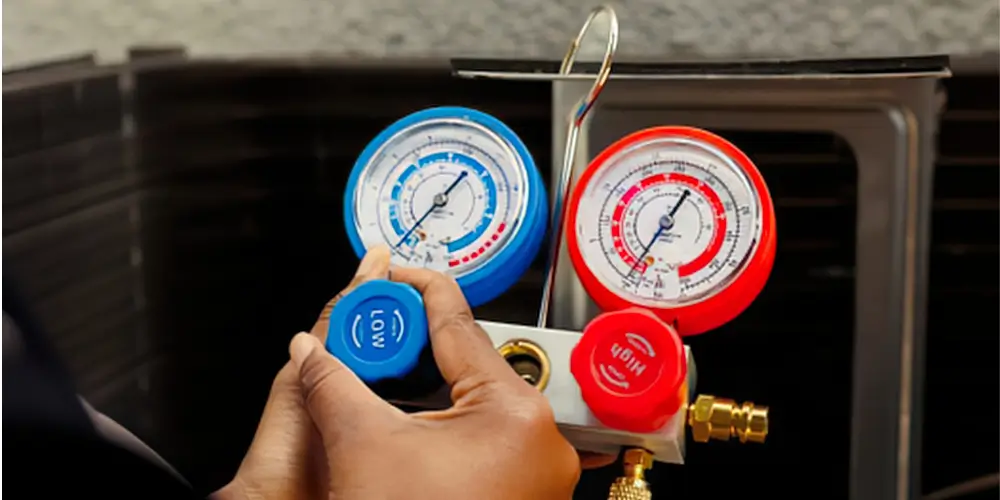
Correct gas pressure sits at the heart of a safe and efficient CP12 inspection, so engineers verify both gas tightness and supply pressure with calibrated instruments rather than assumptions. They connect a manometer or electronic gauge at the meter or test point, confirming the incoming pressure from the mains is within manufacturer and Gas Safe limits.
They then check working and burner pressures with appliances running, ensuring the flame receives enough gas to burn cleanly without wasting fuel or creating deadly carbon monoxide. If pressures fall outside tolerance, they investigate undersized pipework, regulators, or blockages. Any fault is recorded and, if necessary, the supply or appliance is isolated. Accurate pressure protects both everyday comfort and the freedom to use gas confidently. Check out Carbon Monoxide and Gas Safety: Risks, Prevention and UK Safety Requirements
Inspecting Flues and Ventilation
Thorough inspection of flues and ventilation is essential to confirm that combustion gases are safely removed and adequate fresh air is supplied to the appliance. During a CP12 inspection, the engineer focuses on how freely air and fumes can move, ensuring occupants are not boxed in by hidden hazards or blocked escape paths for exhaust gases.
They typically examine:
- Visible and accessible sections of flues for corrosion, loose joints, or signs of leakage such as staining or soot
- Correct flue termination outside the property, checking clearance from windows, vents, and neighbouring structures
- Ventilation openings in walls, doors, or floors to confirm they are unobstructed and sized for the appliance’s rated input
- Any signs of DIY alterations, furniture placement, or building works that may have restricted air flow or covered vents
Testing Safety Controls and Features
During a CP12 inspection, the engineer systematically tests all safety devices to confirm they operate correctly under fault and normal conditions. This includes checking components such as flame supervision devices, pressure relief valves, and overheat stats. The inspection also verifies that appliance controls, including thermostats, timers, and shut-off mechanisms, respond accurately and reliably.
Checking Safety Devices
Checking safety devices is a critical stage of the CP12 inspection, confirming that all built-in protections operate as intended. The engineer focuses on components designed to stop a fault from turning into a threat, allowing occupants to enjoy their space without hidden risks.
They typically observe how each device responds under controlled conditions, verifying that it shuts off gas or flame when required and resets correctly afterward. This step is about ensuring systems act automatically, even if no one is watching.
Common safety devices checked include:
- Flame-failure devices that cut gas if a flame goes out
- Overheat thermostats that stop appliances running too hot
- Pressure relief components on relevant systems
- Safety interlocks that prevent unsafe operating conditions
Confirming Appliance Controls
Confirming appliance controls shifts the CP12 inspection from internal safety devices to the features occupants use every day. The engineer checks that knobs, switches, and thermostats respond accurately, allowing occupants to adjust heat and flame levels without restriction or confusion. Controls must move freely, click positively into position, and clearly indicate settings.
They verify that ignition systems light reliably and that flame-viewing windows, if fitted, provide a clear visual check. Safety interlocks, such as those on boiler cases or gas fires, must cut gas when opened or incorrectly fitted. The engineer confirms that reset buttons, mode selectors, and programmer timers function correctly, so users can choose schedules, temperatures, and operating modes confidently, without compromising safety or efficiency.
Identifying Gas Safety Defects
During a CP12 inspection, the engineer must accurately identify and record any unsafe gas conditions found on site. Each defect is classified and documented in a structured way so its severity and potential risk are clear. Based on these findings, the engineer then recommends the necessary actions, ranging from immediate isolation to planned remedial work.
Recording Unsafe Conditions
Accurately recording unsafe conditions is a core part of a CP12 inspection, as it provides a clear written account of any gas safety defects found at the property. The engineer documents hazards in a structured, factual way so that landlords, agents, and occupants can make informed choices about their space and safety.
To keep the record clear and empowering, the report typically includes:
- A precise description of each defect, linked to the specific appliance or section of pipework
- Measured readings (for example, gas tightness or combustion values) that support the written observations
- The official risk classification applied to the defect, such as “At Risk” or “Immediately Dangerous”
- Notes on any temporary measures taken on site, such as isolating an appliance or capping a supply
Recommending Necessary Actions
Having identified and recorded any defects, the engineer then sets out clear, practical actions to address them. Each recommendation explains what is wrong, why it matters, and what must change so the occupant is free to use gas safely and without anxiety. The guidance distinguishes between immediate dangers, issues needing urgent attention, and advisory improvements.
For Immediately Dangerous findings, the engineer advises shutting off the appliance or supply and arranging prompt repair or replacement. For At Risk situations, they recommend remedial work within a defined timescale. Where ventilation, flues, or controls fall below best practice but remain safe, the engineer suggests upgrades that enhance efficiency, reliability, and peace of mind, allowing informed, independent decisions about future improvements.
Completing the CP12 Gas Safety Record
Completing the CP12 Gas Safety Record requires accurate documentation of all test results carried out during the inspection. The engineer must clearly record readings such as operating pressures, flue performance, and tightness test outcomes so they can be verified later. Alongside this, full appliance details—make, model, location, and safety device status—must be entered to create a traceable and compliant record.
Documenting Test Results
Documenting test results on the CP12 Gas Safety Record forms the official evidence that an inspection has been carried out in line with legal and technical standards. It creates a transparent trail showing that safety has been objectively verified, not merely assumed. Each entry limits ambiguity, reducing scope for disputes and empowering both landlord and tenant to understand the state of the gas installation.
Typically, the engineer notes measured values and outcomes for key checks, such as:
- Pressure tests confirming the soundness of pipework
- Flue performance readings showing safe removal of combustion products
- Ventilation assessments confirming sufficient fresh air supply
- Operation and shut‑off test results showing controls respond correctly
Accurate documentation protects individual choice, supports informed decisions, and proves compliance without unnecessary intrusion.
Recording Appliance Details
Accurate recording of appliance details on the CP12 Gas Safety Record anchors the rest of the inspection findings to specific, identifiable equipment. Each entry links legal responsibility, engineer accountability, and a resident’s freedom to live without hidden risk.
The engineer notes appliance type, make, model, location, and serial number, along with the gas supply type and burner rate or input rating. Ventilation provisions and flue type are also identified, ensuring any defect or advisory can be traced to the exact appliance.
Clear separation of appliances—boilers, fires, cookers, water heaters—prevents confusion later if ownership changes or disputes arise. Precise appliance data means any future engineer, insurer, or regulator can verify that safety checks actually match the appliances in use.
Frequently Asked Questions
How Often Should Landlords Arrange CP12 Gas Safety Inspections for Rental Properties?
Landlords must arrange a CP12 gas safety inspection at least every 12 months. They also guarantee checks occur before new tenancies where possible, keeping certificates for two years and sharing copies with tenants to protect their right to safe housing. Read our blog post How Often Should Landlords Arrange Gas Safety Checks? To Understand the 12-Month Rule.
Who Is Legally Responsible for Obtaining and Renewing the CP12 Certificate?
The landlord holds full legal responsibility for obtaining and renewing the CP12 certificate, not the tenant. They must hire a Gas Safe registered engineer yearly, keep records, and provide tenants copies, safeguarding occupants’ safety and contractual freedom.
What Qualifications Must a Gas Engineer Have to Carry Out a CP12 Check?
A gas engineer must be on the Gas Safe Register, holding current, relevant ACS or equivalent qualifications for domestic gas appliances and pipework, plus valid ID. Without active registration, they cannot legally complete or sign a CP12.
Are CP12 Inspections Required for Holiday Lets and Short-Term Rental Properties?
Yes, CP12 inspections are required for UK holiday lets and short‑term rentals where gas is supplied. Landlords must obtain annual gas safety certificates, keep records, and provide copies to guests or managing platforms to guarantee lawful, responsible hosting.
Can Tenants Refuse Access for a CP12 Inspection, and What Happens if They Do?
Tenants can refuse access, but this limits safety checks. Landlords must show reasonable attempts to arrange entry. If refusal continues, landlords can’t force access, yet may protect themselves legally and, ultimately, choose not to renew the tenancy. Here is the detailed post, Can a Tenant Refuse a Gas Safety Inspection? Legal Requirements Explained
Conclusion
Summarising, “What is tested during a CP12 inspection?” A CP12 inspection provides landlords with confirmation that gas appliances, pipework, flues and ventilation meet essential safety standards. By thoroughly checking components, testing gas tightness and pressures, and verifying safety controls, an engineer helps reduce the risk of leaks, carbon monoxide exposure and dangerous faults. The resulting Gas Safety Record offers clear documentation of any defects, required remedial work and compliance, giving both landlords and tenants greater confidence in the safety of the property.