

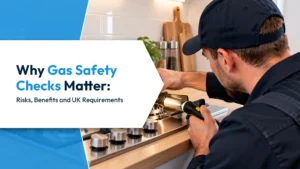

How often should landlords arrange gas safety checks? In the UK, landlords must arrange gas safety checks at least every 12 months, counted from the date of the last valid Gas Safety Record (CP12), not the tenancy start date. They can book the check early, and if done within the 28-day renewal window, the original renewal date is preserved. Checks must be completed before a new tenant moves in and records kept for at least two years. There are further rules that can help landlords stay fully compliant.
Key Takeaways
- Landlords must arrange a gas safety check at least once every 12 months, based on the date of the last valid Gas Safety Record (CP12).
- Checks can be carried out up to 28 days before the current certificate expires while keeping the same annual renewal date.
- If a check is done earlier than 28 days before expiry, the new 12‑month period runs from the actual inspection date.
- A valid Gas Safety Record must be in place before a new tenant moves in and given to them before or at the start of the tenancy.
- Existing tenants must receive a copy of each new Gas Safety Record within 28 days of the check, and records must be kept for at least two years.
Table of Contents
When Is the Annual Gas Safety Check Due?
Precisely when an annual gas safety check is due depends on the date of the previous Gas Safety Record (CP12). The law requires that every rented property with gas appliances has a new record completed at intervals of no more than 12 months. The countdown starts from the date printed on the last valid CP12, not from the tenancy start date or move‑in day.
A landlord who wants maximum flexibility treats the CP12 date as a hard deadline. Gas work can be done at any time during the year, but the certificate must remain continuous, with no day when the property is occupied and un‑certified. If the certificate expires on 10 October, the next check must be completed on or before that same date the following year. Keeping accurate records and calendar reminders allows landlords to stay compliant without sacrificing control over how they manage their time and investments.

Can Landlords Arrange the Check Early?
Although the law sets a 12‑month maximum interval, a landlord can usually arrange a gas safety check earlier than the expiry date of the existing CP12. Nothing prevents them from booking an inspection well before the deadline, provided a Gas Safe registered engineer carries it out and issues a new record. Early checks appeal to landlords who value control and minimal interference in tenancies. By planning ahead, they can choose appointment times that suit both parties, rather than scrambling for last‑minute slots or forcing inconvenient visits on occupiers. This approach also reduces the risk of falling foul of the law because of illness, holidays, or contractor delays.
Some landlords time early checks to coincide with other maintenance, using a single visit to inspect boilers, flues, and appliances while also dealing with repairs. This limits repeated access requests and supports a smoother, less intrusive relationship with tenants. For more details, visit our blog post Can You Renew a Gas Safety Certificate Early? Timing and Legal Requirements
Understanding the 28-Day Renewal Window
Early booking options become even more useful when viewed alongside the specific 28‑day renewal window set out in gas safety regulations. This window allows a landlord to arrange the annual gas safety check in the 28 days before the current certificate expires, while still preserving the existing expiry date. It creates room to act on their own timetable rather than being forced into a last‑minute scramble.
Within this 28‑day period, a landlord can book work when it best fits the property’s schedule, the tenant’s routine, and the engineer’s availability. This cushion reduces the risk of slipping into non‑compliance because of illness, holidays, or contractor delays. It also allows better coordination with other maintenance tasks, cutting down repeat visits and disruption. For landlords who value autonomy over rigid, reactive management, understanding and using this precise 28‑day window becomes a practical tool for staying safe, compliant, and in control.
Does an Early Check Change the Due Date?
Curiously, many landlords assume that booking a gas safety check ahead of time will automatically bring the renewal date forward, shortening the effective life of the certificate. In reality, the 12‑month rule offers more flexibility than that. If the inspection is carried out within the permitted renewal window, the new Gas Safety Record can be post‑dated so the next due date effectively remains 12 months from the previous expiry, not from the early visit.
This means a landlord can schedule checks in advance, protecting their time and avoiding last‑minute pressure without sacrificing part of the certificate’s lifespan. The system is designed to encourage timely planning rather than penalise it. However, if the check is done too early, outside the allowed window, the next deadline will generally be set 12 months from the actual inspection date. Understanding this distinction lets landlords organise inspections on their own terms while staying fully compliant.
Gas Safety Checks Before a New Tenancy
When a new tenancy is about to begin, gas safety duties shift from an annual routine to a legal prerequisite that must be satisfied before a tenant moves in. Landlords must guarantee every gas appliance, flue, and associated installation within their responsibility is checked by a Gas Safe registered engineer before handing over the keys. This applies whether the tenant is signing a long-term contract or moving in on a short, flexible arrangement.
A valid Gas Safety Record must be in place and shared with incoming tenants before occupation. Gas Safety Check Before New Tenants Move In: London Landlord Guide
For existing tenants renewing a tenancy, the latest record must be provided within 28 days of the check, preserving their ability to make informed choices about their living conditions. Landlords who rely on letting agents must still verify that checks are completed and documented, keeping copies for at least two years to demonstrate that legal and safety duties have been met. Check out Landlord Gas Safety Responsibilities Explained: Rules, Duties and Requirements
What If the Annual Check Is Missed?
Even with clear duties before a tenancy starts, the risk remains that an annual gas safety check is overlooked or allowed to expire. When this happens, the landlord is no longer complying with the Gas Safety (Installation and Use) Regulations 1998. In practice, that means the legal right to let the property is instantly undermined, because tenants are being asked to live with an unverified gas system.
If the oversight comes to light, a landlord may face enforcement by the Health and Safety Executive or local authority. Penalties can include improvement notices, fines, and, in serious cases, prosecution. Civil claims from tenants are also possible if harm or loss arises from unsafe appliances. From a freedom-focused perspective, missing a check narrows everyone’s choices: tenants lose the security of safe autonomy at home, and landlords risk restrictions, financial pressure, and reputational damage that limit how they manage their property.
How Should Landlords Track Annual Checks?
Although the law sets a clear annual deadline, landlords benefit from treating gas safety checks as a structured, trackable process rather than a date to remember. Many create a simple compliance calendar, listing each property, its appliances, last check date, and next due date, then review it monthly. Digital tools make this lighter: property management software, shared spreadsheets, or reminder apps can trigger alerts 60 and 30 days before certificates expire.
Some landlords align gas checks with other recurring tasks such as electrical inspections or tenancy renewals to minimise visits and disruption. Others delegate tracking to an agent but still insist on direct access to digital copies of Gas Safety Records. Whatever system is used, storing certificates in the cloud, tagged by address and expiry date, allows instant retrieval and proof of diligence. A clear, repeatable process keeps gas safety from feeling like bureaucracy and supports flexible, low‑stress property management.
Frequently Asked Questions
Do Gas Safety Rules Apply to Holiday Lets and Short-Term Airbnb-Style Rentals?
Yes. Gas safety rules normally cover holiday lets and short‑term Airbnb‑style rentals when gas appliances are supplied. The host becomes a landlord in law, requiring annual Gas Safe checks and records before guests enjoy the space.
Who Is Responsible for Gas Safety Checks in Shared Houses (HMOS)?
The landlord or HMO manager holds legal responsibility for gas safety checks, not the tenants. They must arrange annual inspections, keep records, and provide certificates to residents, ensuring shared freedom is not compromised by unsafe, neglected gas installations.
What Qualifications Must a Gas Engineer Have to Carry Out Landlord Checks?
A gas engineer must be on the Gas Safe Register, hold current ACS (or equivalent) qualifications for the specific appliance types, carry valid ID, and follow Gas Safety (Installation and Use) Regulations, ensuring independent, competent certification.
Are Landlords Required to Give Tenants a Copy of the Gas Safety Record Annually?
Yes. Landlords must give tenants a copy of the gas safety record within 28 days of each annual check, and to new tenants before they move in, empowering them to verify safety and challenge non‑compliance.
How Long Should Landlords Keep Previous Gas Safety Certificates for Legal Compliance?
Landlords must legally keep each gas safety certificate for at least two years. Many freedom‑minded landlords keep a longer digital archive, protecting themselves in disputes, providing consistent safety, and maintaining transparent, accountable control over their property.
Conclusion
To sum up, “How often should landlords arrange gas safety checks?” UK landlords must arrange gas safety checks at least every 12 months to comply with legal obligations and protect tenants. Conducting checks early within the 28-day renewal window helps maintain continuity without bringing the due date forward. Checks before new tenancies offer added reassurance. If a deadline is missed, landlords should act immediately to restore compliance. Using calendars, digital reminders, or management software helps guarantee checks are never overlooked and records remain up to date.