

Choosing a Gas Safe registered engineer in the UK starts with checking their Gas Safe ID card and verifying them on the official register. Homeowners should confirm the engineer is certified for the specific appliance, has relevant experience, and holds suitable insurance. Comparing detailed written quotes, checking reviews, and understanding what safety checks are included helps avoid hidden costs and unsafe work. Recognizing key responsibilities and common hiring mistakes helps guarantee safe, compliant gas work and sets up the next essential steps.
Key Takeaways
- Always verify the engineer’s Gas Safe registration and ID card details (photo, licence number, expiry date, and permitted appliances) before any gas work starts.
- Check their experience with your specific job (e.g., boiler installation, gas fire servicing) and ask for recent references or examples.
- Confirm they hold valid public liability and, where relevant, professional indemnity insurance with adequate cover limits.
- Get at least three written, itemised quotes and compare what’s included, not just the lowest price.
- Ensure they communicate clearly, provide written documentation of all work and safety checks, and are transparent about guarantees and complaint procedures.
Table of Contents
The Risks of Hiring an Unqualified Gas Engineer
Although cheaper quotes can seem appealing, hiring an unqualified gas engineer exposes homeowners to serious safety and financial risks. Gas work carried out by someone without proper training can leave appliances leaking carbon monoxide, a colourless, odourless gas that can kill silently or cause long‑term health damage. Poorly fitted pipework can also create explosion risks, threatening not only the property but neighbouring homes as well.
Unqualified work tends to fail earlier, leading to frequent breakdowns, costly emergency callouts, and premature replacement of boilers or fires. Insurers may refuse claims if an incident is traced back to incompetent gas work, leaving the homeowner to fund repairs and legal costs personally. In rental properties, using an unqualified engineer can also result in prosecution, heavy fines, or a ban on letting.
Confirm Gas Safe Registration and Competence
Before agreeing to any work, a homeowner should independently confirm that the engineer is Gas Safe registered and qualified for the specific appliance or system involved. This step protects their freedom to live in a safe, compliant home without hidden risks or legal complications. Verification is simple, yet many skip it.
- Check the engineer’s Gas Safe ID card on arrival, confirming their photo, licence number, expiry date, and security hologram.
- On the back of the card, verify which appliances and activities they are certified for; if the task is not listed, they are not legally allowed to do it.
- Use the official Gas Safe Register website or helpline to confirm the engineer’s registration status and licence number in real time.
- Refuse pressure or excuses; a competent professional welcomes scrutiny and understands that transparent verification safeguards the homeowner’s right to safety and autonomy.
Check Experience With Your Type of Gas Work
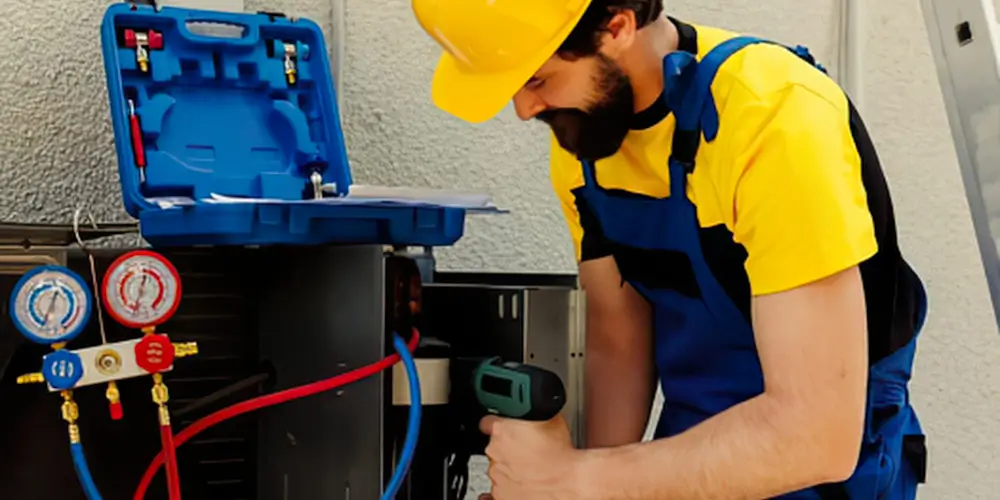
Once registration is confirmed, the next safeguard is ensuring the engineer has hands-on experience with the specific type of gas work required. A homeowner or landlord who values independence will want an engineer who not only understands regulations but has repeatedly carried out the exact task in question.
Different skills are needed for installing a high-efficiency boiler, converting from LPG to natural gas, fitting gas hobs, servicing gas fires, or working on warm-air or commercial systems. An engineer may be qualified on paper yet rarely handle the specific appliance or system a customer relies on.
A discerning client can simply ask how often the engineer completes similar work, how long they have done so, and whether they can reference comparable jobs. Photographs, brief case studies, or clear explanations of potential challenges demonstrate real-world capability and allow the customer to choose confidently, on their own terms, without guesswork.
Review Insurance and Professional Credentials
Even after confirming Gas Safe registration and relevant experience, a careful homeowner or landlord will still verify an engineer’s insurance and broader professional credentials. This step protects their freedom to use their property confidently, knowing risks are understood and managed.
- Public liability insurance They should request proof of current public liability cover, checking limits are sufficient to cover potential property damage or injury.
- Professional indemnity insurance Where design, advice, or reports are involved, they confirm the engineer carries indemnity insurance to cover negligent advice or specification errors.
- Trade body membership Membership of recognised bodies (such as CIPHE or IGEM) signals commitment to professional standards, ongoing learning, and independent codes of conduct.
- Qualifications and CPD records They ask to see certificates for core gas qualifications and recent reassessments, ensuring the engineer stays current with evolving regulations and best practice, safeguarding both safety and autonomy.
Compare Quotes and Services Offered
A careful comparison of quotes and service details enables homeowners and landlords to balance cost, scope, and reliability when choosing a Gas Safe registered engineer. Rather than accepting the first estimate, a freedom‑minded client requests at least three written quotes, ideally itemised. This makes it easier to see exactly what is being paid for and to reject vague or inflated pricing.
They look beyond the bottom line. An unusually low quote may signal corner‑cutting, rushed appointments, or hidden extras later. A higher quote might include longer appointment slots, better availability for urgent visits, or clearer aftercare.
Clients also consider how flexible each engineer is: options for evening or weekend work, rapid response in emergencies, and transparent cancellation terms. They favour professionals who communicate clearly, respond promptly, and explain pricing without pressure. Comparing quotes this way allows them to choose on their own terms, not the installer’s.
Ask What Checks and Work Are Included
Before agreeing to any work, a discerning client asks the engineer to spell out exactly which checks and tasks are included in the price. This simple step protects their budget, their home, and their freedom to choose differently if the offer feels vague or inflated. A Gas Safe registered engineer should respond clearly and confidently, not with jargon or evasive answers.
A precise breakdown usually covers:
- Safety checks – Confirmation of what combustion, ventilation, flue, and leak tests will be carried out on each gas appliance.
- Servicing tasks – Details of cleaning, component inspection, adjustments, and any calibration of controls or regulators.
- Parts and materials – Whether replacement parts, seals, or fittings are included, and which items would cost extra.
- Documentation and follow‑up – What written records, certificates, or compliance reports will be provided, and whether any post‑visit advice or minor adjustments are covered in the agreed fee.
Check Reviews and Customer Reputation
Once the scope of work is clear, the next safeguard is to look beyond the engineer’s own promises and examine what past customers report. Reviews reveal how an engineer behaves when no one is watching: whether they arrive on time, keep disruption low, and respect a household’s independence and schedule.
A careful reader looks for patterns rather than single glowing or angry comments. Consistent mentions of clear communication, tidy workmanship, and transparent pricing suggest an engineer who does not trap customers with surprises. Repeated complaints about missed appointments, extra charges, or unfinished tasks warn of constraints and hassle. Checking multiple sources, Google, Trustpilot, Checkatrade, and local community forums, reduces the risk of biased feedback. Verified reviews that reference specific boilers, fires, or cookers are especially useful. This reputation check helps a homeowner choose someone who protects both their safety and their freedom to live without ongoing issues.
Understand Engineer Responsibilities
Understanding what a Gas Safe registered engineer must legally and professionally do enables a homeowner to judge work against clear standards, not vague expectations. Knowing these boundaries lets individuals keep control over their property, time, and safety, rather than surrendering it to vague promises.
A competent Gas Safe engineer is bound by law, industry rules, and ethical practice. Their responsibilities are specific, measurable, and open to scrutiny. At a minimum, a homeowner can expect:
- Legal compliance – Verify gas work against current UK regulations, including proper notifications and certification.
- Safety-first practice – Conduct essential tests for leaks, combustion, and ventilation before and after any work.
- Clear documentation – Provide written records of servicing, installations, and safety checks that the homeowner can easily keep and review.
- Transparent communication – Explain findings, options, and limitations plainly, enabling the homeowner to make independent, informed decisions.
Avoid Common Hiring Mistakes
With a clear grasp of what a Gas Safe registered engineer is required to do, attention turns to the pitfalls that often undermine good intentions when hiring one. Many householders surrender control by accepting the first available engineer without checking the Gas Safe Register, licence card, or specific qualifications for boilers, fires, or LPG. Others rely on vague recommendations, assuming a competent plumber is automatically gas-qualified.
Another frequent mistake is choosing purely on price. The cheapest quote can mask rushed work, poor parts, or no aftercare. Equally restrictive is failing to request written estimates, leaving scope for surprise charges and limited options later. Some clients skip asking about insurance, guarantees, or complaint procedures, weakening their position if something goes wrong. Finally, not being present during key stages of the job, or signing off work without seeing safety checks completed, undermines both autonomy and safety in their own home.
Frequently Asked Questions
How Far in Advance Should I Book a Gas Safe Engineer?
They should usually book a Gas Safe engineer 2–4 weeks in advance, though urgent issues demand immediate contact. This timeframe preserves flexibility, avoids last‑minute pressure, and lets them compare prices, reviews, and availability on their own terms.
Can I Request a Female Gas Safe Engineer for My Home?
Yes, they can request a female Gas Safe engineer. Many companies honour such personal preferences; availability varies by area, so they should ask when booking and, if needed, try alternative providers until comfortable.
What Accessibility Arrangements Can Gas Safe Engineers Provide for Disabled Customers?
Gas Safe engineers can arrange clear communication, flexible booking, quiet visits, priority appointments, step‑free access solutions, longer time slots, assistance with paperwork, alternative contact methods, and tailored explanations, empowering disabled customers to control safety decisions in their own homes.
How Should I Prepare My Property Before the Engineer Arrives?
They prepare by clearing access to gas appliances, meters, and pipework, securing pets, unfastening gates, ventilating rooms, locating manuals, and ensuring someone present can authorize work, ask questions, and freely decide on any recommended repairs or upgrades.
What Aftercare or Maintenance Support Can I Expect Once the Job Is Complete?
They can expect clear handover instructions, safety checks, documentation, optional service plans, and reminders for future inspections. Ongoing phone or email support, fault diagnosis, and flexible maintenance visits help them keep control of their system’s reliability.
Conclusion
Choosing a Gas Safe registered engineer is essential for safe, compliant gas work in the UK. By confirming registration, checking relevant experience, and reviewing insurance and credentials, homeowners can greatly reduce risk. Comparing quotes, understanding what checks are included, and researching reviews help identify reliable professionals. Recognising an engineer’s legal responsibilities and avoiding common hiring mistakes ultimately protects property, finances, and lives, ensuring gas appliances are installed, serviced, and maintained to the highest safety standards.