



Can any electrician issue an EICR? Not every electrician can issue an EICR in London. It must be carried out by a competent person with specific inspection and testing training, a Level 3 electrical qualification, and up-to-date knowledge of BS 7671. Ideally, they also hold a dedicated periodic inspection qualification and are registered with bodies like NICEIC or NAPIT. Landlords and managing agents should always verify qualifications, experience, and insurance. The following sections explain exactly what to look for.
Key Takeaways
- Not every electrician can issue an EICR; it must be done by a “competent person” with specific inspection and testing qualifications.
- In London (and the wider UK), EICR inspectors should hold Level 3 electrical qualifications plus a periodic inspection and testing certificate, e.g., City & Guilds.
- Landlords and many commercial clients usually require electricians registered with bodies like NICEIC, NAPIT, or STROMA to carry out EICRs.
- A valid EICR must comply with the latest BS 7671, be fully documented, coded correctly, signed, dated, and uniquely referenced.
- Using an inexperienced or unqualified electrician for an EICR risks missed faults, invalid certification, insurance problems, and potential fines from local authorities.
Table of Contents
Who Is Allowed to Carry Out an EICR?
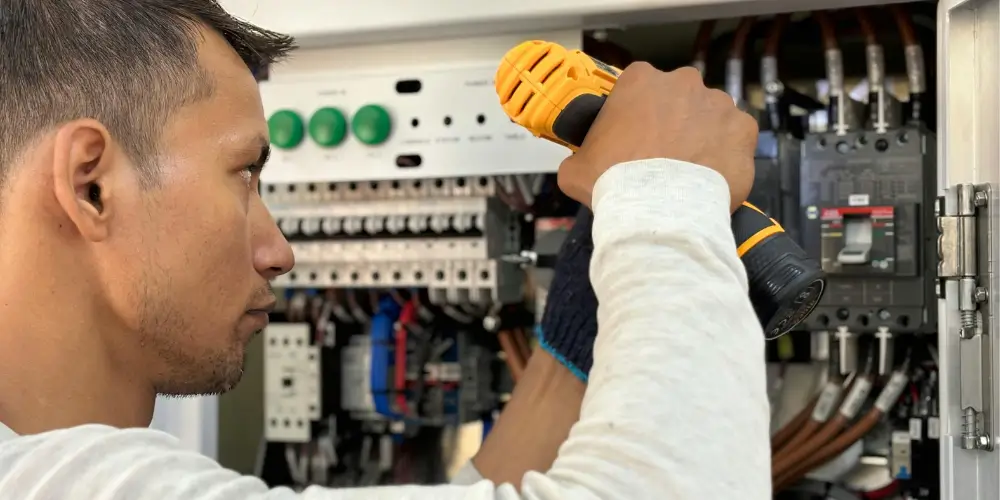
Although many people assume that any qualified electrician can complete this task, only those with specific training, experience, and competence in inspection and testing are allowed to carry out an Electrical Installation Condition Report (EICR). The person must be familiar with current wiring regulations, understand how electrical installations age, and be skilled in using specialist test instruments safely and accurately.
They should also be able to interpret test results, recognise defects and non‑compliances, and clearly explain what needs to be remedied. In practice, this usually means an electrician who has dedicated inspection and testing qualifications and substantial hands-on experience with a range of installations. Landlords, homeowners, and business owners are expected to check that the inspector holds suitable credentials before commissioning an EICR.
Why Not Every Electrician Is Suitable
Even when an electrician is fully qualified to install and repair wiring, that does not automatically mean they are competent to carry out an EICR. An Electrical Installation Condition Report is not just another job; it is a structured, evidence‑based assessment of safety, condition, and continued suitability of an installation. Check EICR Test Procedure: Step-by-Step Guide for UK Homes and Landlords.
Some electricians focus mainly on new installations or straightforward repairs and may rarely perform detailed inspection and testing. EICRs demand a thorough understanding of fault patterns in older wiring, careful use of test instruments, and the ability to interpret results against current standards. They also require methodical recording, clear coding of observations, and impartial judgement. Without this specific inspection experience and disciplined approach, the reliability of the EICR can be seriously weakened.
What Qualifications Should the Electrician Have?
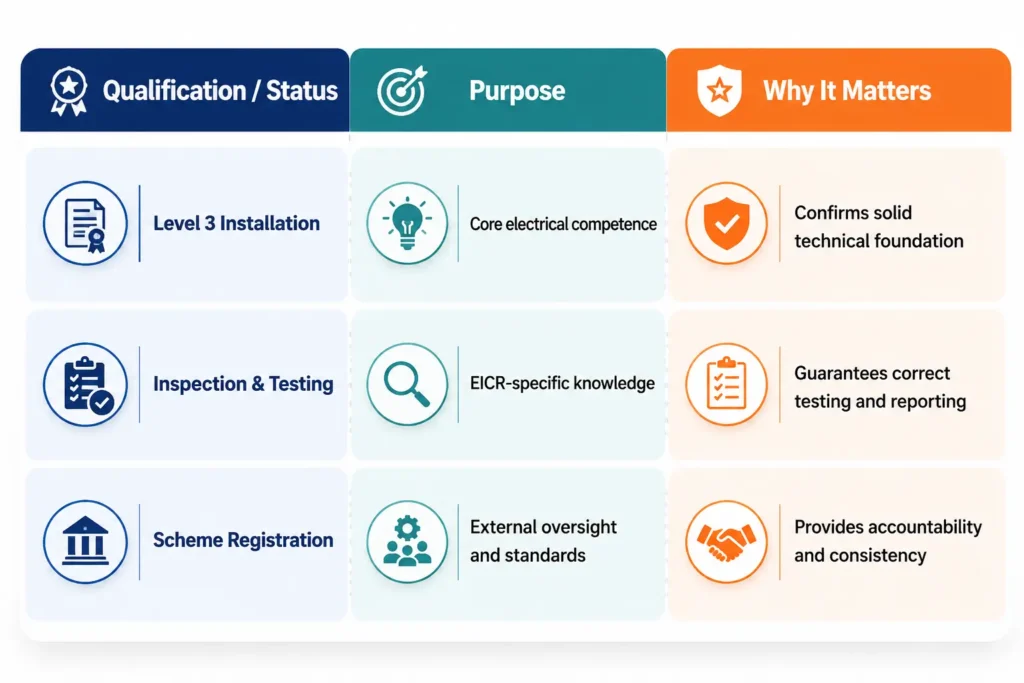
For an EICR to be reliable, the electrician must hold more than basic trade qualifications. They should possess a recognised Level 3 electrical installation qualification, showing formal training in wiring systems and safety. In the UK, this typically includes City & Guilds or equivalent certificates that confirm competence with domestic and commercial installations.
They should also hold a specific qualification in inspection and testing, such as a Level 3 award covering periodic inspection and reporting. This guarantees they understand how to assess existing installations against current regulations.
A strong indicator of professionalism is registration with an approved body:
Why Inspection and Testing Experience Matters
Beyond formal qualifications, real-world inspection and testing experience directly affects the accuracy and usefulness of an EICR. An electrician may understand the theory, but repeated exposure to different properties, fault patterns, and installation ages sharpens judgement and speeds up safe problem solving. Experienced inspectors recognise when something is genuinely dangerous and when it is simply outdated but serviceable.
- They interpret test results in context, not just by numbers.
- They spot hidden defects that a checklist alone might miss.
- They understand how older and newer wiring methods interact.
- They record observations clearly so owners know what to prioritise.
- They minimise disruption while still carrying out thorough checks.
For property owners, this experience translates into more reliable reports and safer decisions. Furthermore, if anyone needs urgent EICR inspection then experienced electricians only can make accurate assessments. Read our blog post on Fast EICR Inspection London: What Does an Electrician Check During a Fast EICR Visit?
Does the Electrician Need to Be Registered?
In the UK, whether an electrician must be registered to issue an EICR depends on the type of property and the law that applies to it. For many domestic properties, legislation and guidance strongly favour the use of a “competent person,” which, in practice, usually means someone who is both properly qualified and a member of a recognised electrical registration body.
For certain rented homes in England, the regulations require that the inspection be carried out by a “qualified and competent person,” and landlords often interpret registration as the simplest way to evidence this. In commercial or industrial settings, insurers, managing agents, and large clients frequently insist on using electricians who are registered with well‑known schemes as a condition of contract or cover.
How to Check Electrician Competence
While registration offers a strong indication of professionalism, it is not the only way to judge whether an electrician is suitable to carry out an EICR. Property owners benefit from checking several practical indicators of competence before commissioning an inspection and report.
Useful checks include:
- Qualifications – Confirm City & Guilds, NVQ, or equivalent inspection and testing certificates relevant to EICR work.
- Experience – Ask how many EICRs they complete in a typical month and on what types of properties.
- Sample reports – Review a redacted EICR to assess clarity, detail, and consistency with current standards.
- Insurance – Verify they hold valid professional indemnity and public liability cover.
- References and reviews – Look for specific feedback about inspection quality, not just general politeness.
Can a Domestic Electrician Issue an EICR?
They must understand fault-finding, earthing and bonding requirements, circuit protection, and be able to interpret test results accurately. Membership of a recognised scheme provider (such as NICEIC, NAPIT, or similar bodies) often indicates that the electrician’s inspection and testing competence is independently assessed.
Ultimately, the person signing the EICR must be able to justify their findings and classification codes in line with current Wiring Regulations.
Can an Installer Issue a Landlord EICR?
Surprisingly often, electrical installers assume that fitting consumer units or rewiring properties automatically qualifies them to issue landlord EICRs, but that is not always the case. Installation work and periodic inspection are related, yet distinct, disciplines. A landlord EICR requires not just the ability to install, but to assess an existing installation impartially and methodically.
Landlords consequently need to look beyond the job title “installer” and consider whether the individual actually undertakes inspection work as a core part of their competence. In practice, this usually involves checking whether the installer regularly:
- tests existing installations, not only new work
- interprets test results against current wiring regulations
- identifies deterioration and non‑compliance objectively
- documents observations in a structured, formal report
- understands rental-sector expectations and risk profiles
What Makes an EICR Certificate Valid?
Choosing someone who genuinely carries out inspection work is only part of the picture; the report they produce must also stand up as a valid EICR. A valid Electrical Installation Condition Report is one that has been completed by a suitably competent person, follows the current edition of BS 7671, and records clear test results, observations, and coding.
It must identify the property, the extent of the inspection, and any limitations agreed beforehand. Each departure from the Wiring Regulations should be classified using the correct codes (C1, C2, C3, FI), with corresponding recommendations.
The certificate must also be signed, dated, and uniquely referenced, so it can be traced and checked. Without these elements, the document risks being classed as inadequate or unreliable.
What London Landlords Should Check First
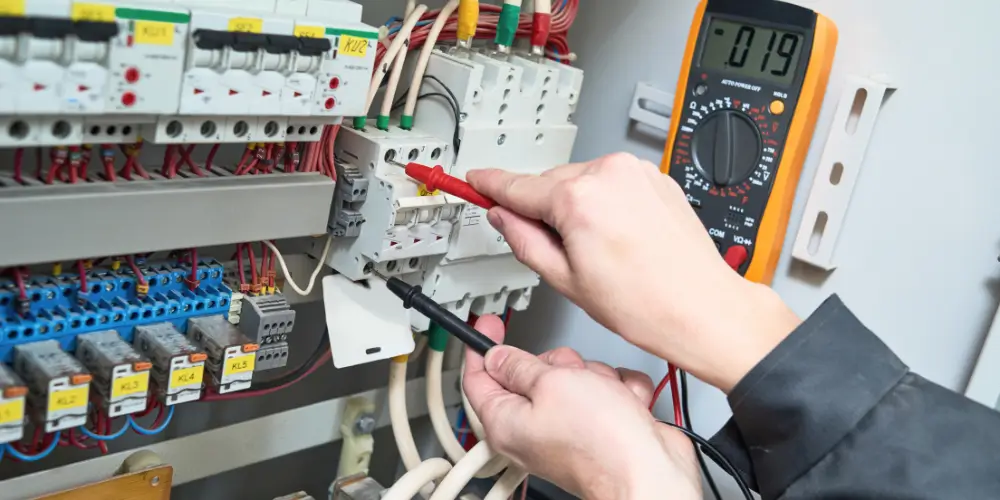
Before booking an inspection, a London landlord should first confirm whether the electrician is actually qualified and authorised to issue an EICR. The focus should be on objective checks that demonstrate competence, legal compliance, and familiarity with current UK wiring regulations and London-specific expectations.
Landlords can quickly screen an electrician by asking for clear evidence of:
- Current membership of an approved electrical body (e.g., NICEIC, NAPIT, STROMA).
- Public liability and, ideally, professional indemnity insurance appropriate for EICR work.
- Formal qualifications aligned with BS 7671 and inspection and testing (e.g., 2391 or equivalent).
- A sample EICR report, showing correct coding, layout, and clear recommendations.
- Experience with rented residential properties and awareness of landlord legal duties in England.
Risks of Using the Wrong Electrician
Although an EICR might appear to be a straightforward box-ticking exercise, instructing the wrong electrician can expose a London landlord to significant financial, legal, and safety risks. An inadequately trained or inexperienced contractor may overlook dangerous defects, misinterpret test results, or apply outdated regulations, leaving serious faults undiscovered.
If a fire, shock, or injury occurs later, insurers may scrutinise the EICR and potentially refuse cover where the report is judged incompetent. Local authorities might also challenge a defective EICR, issue enforcement notices, or levy fines for non-compliance with the Electrical Safety Standards.
Moreover, an inaccurate report can create unnecessary remedial work, inflating costs and causing avoidable disruption for tenants, while providing no real increase in electrical safety.
Frequently Asked Questions
Can I Use an EICR From Outside London for My London Rental Property?
Yes, an EICR from outside London can be used if it meets legal standards, is within its validity period, and the electrician is suitably qualified and registered; landlords should confirm their local authority accepts it.
How Often Should I Renew an EICR for Short‑Term Airbnb-Style Lets in London?
They should renew the EICR at least every five years, or sooner if recommended by the inspector. For short‑term lets with frequent guest turnover, many landlords choose three‑year intervals to demonstrate higher safety diligence.
Does an EICR Include Testing of EV Chargers and Solar Panels in My Property?
An EICR covers fixed wiring up to the connection point; EV chargers and solar PV are included only if permanently wired and within scope. Detailed inverter, generation, or charger-function tests may require additional, specialist inspection and certification.
Will an EICR Highlight Energy-Efficiency Improvements or Only Safety-Related Defects?
An EICR focuses on safety-related defects and compliance, not detailed energy-efficiency advice. However, inspectors may informally note obvious efficiency improvements, such as LED lighting or modern controls, but these observations are optional and not the report’s primary purpose.
Can I Dispute an Unsatisfactory EICR Report, and How Is This Resolved?
Yes, an unsatisfactory EICR can be disputed. The usual resolution involves seeking a written explanation, obtaining a second opinion from another qualified inspector, comparing findings, and, if necessary, using the scheme provider’s or mediator’s complaints procedure.
Conclusion
By concluding “can any electrician issue an EICR”, not every electrician is qualified to issue an EICR in London. The report is only valid when carried out by a properly trained, experienced, and competent electrician with up-to-date inspection and testing knowledge. Landlords and property owners should always verify qualifications, registration status, insurance, and references before commissioning an EICR. Choosing the right specialist helps guarantee legal compliance, genuine safety, and reliable certification that will stand up to future scrutiny.