



Failed EICR and need to rent quickly? A failed EICR in London means the electrics are officially “unsatisfactory” and the property cannot be safely or legally rented yet. The landlord must review the EICR codes, make C1 issues safe immediately, fix C2 defects, and arrange any FI investigations. A qualified electrician should complete remedial work quickly and provide written confirmation or a fresh EICR. Once compliant, the landlord can issue the latest EICR to tenants alongside other required documents, and the following sections explain each step.
Key Takeaways
- Identify C1 and C2 issues on the failed EICR, as these must be rectified before legally renting the property in London.
- Arrange a qualified, registered electrician urgently to make C1 items safe, then complete C2 and FI remedial works within the required 28-day period.
- Request an itemised quote and written confirmation of all remedial work, including whether a full EICR retest or only a verification report is needed.
- Once works are complete, obtain updated certification and provide the latest EICR, plus evidence of repairs, to prospective tenants before they move in.
- Keep written records of all reports, invoices and communications to demonstrate compliance with the Electrical Safety Standards in the Private Rented Sector (England) Regulations.
Table of Contents
What Does a Failed EICR Mean?
A failed Electrical Installation Condition Report (EICR) means that an electrician has identified issues in a property’s wiring or electrical systems that do not meet current safety standards, and the installation has been graded as “unsatisfactory.” This outcome signals that the electrics cannot legally be treated as safe for tenancy until specific problems are dealt with.
For a landlord who wants the freedom to rent quickly, a failed EICR is fundamentally a red light. It indicates that parts of the system present unacceptable risk of electric shock, fire, or general malfunction. The failure does not automatically mean a full rewire is needed, but it does mean repairs or upgrades are required before the property can be responsibly and lawfully offered to tenants.

Check Which EICR Codes Were Recorded
Once an EICR has been graded as “unsatisfactory,” the next step is to look closely at the specific observation codes the electrician has recorded. These codes decide how much room a landlord has to move: whether they can act swiftly and still keep their letting plans on track, or must pause everything.
They typically see C1, C2, C3 or FI beside each observation. C1 and C2 indicate non‑compliance with BS 7671, while C3 highlights issues that are not strictly dangerous but still fall short of best practice. FI means the electrician could not complete their assessment without further checks. Understanding which codes appear, and how many, lets a landlord plan targeted remedial work instead of feeling trapped by a blanket “fail.”
Deal With C1 Hazards Immediately
C1 hazards demand immediate action because they indicate a present danger, such as live parts exposed or severely damaged equipment that could cause electric shock or fire at any moment. For a landlord who values freedom to let without fear, C1 means the installation is unsafe right now and must not be ignored or delayed.
Once C1 items appear on the EICR, the only responsible response is to stop using the affected circuits or equipment and instruct a qualified electrician to make them safe immediately. This may include isolating power, replacing damaged accessories, or repairing burnt or loose terminations. Until the electrician confirms the danger has been removed, the property should not be rented, keeping both legal risk and personal liability under tight control.
Prioritise C2 Electrical Defects
Prioritising C2 electrical defects allows a landlord to move from crisis control to structured risk management. After eliminating C1 dangers, C2 items become the next barrier between the owner and lawful, hassle‑free letting. These are “potentially dangerous” issues: they might not be harming anyone today, but they sit there quietly limiting a landlord’s options and exposing them to future claims.
A disciplined owner reviews the EICR line by line, highlights every C2 code, and groups them: overloaded circuits, damaged accessories, inadequate earthing, or ageing consumer units. They then cost and schedule these works first, before cosmetic upgrades or optional tweaks. By clearing C2 defects in an organised burst of remedial work, a landlord buys time, flexibility, and a more predictable route back to compliant renting.
Arrange Any Further Investigation
Faced with an EICR containing FI (Further Investigation) codes, a prudent landlord treats them as unfinished safety questions, not background noise. FI items signal uncertainty: the electrician cannot confirm whether a part of the installation is safe without deeper testing or exposure of hidden wiring.
A landlord who values freedom to let without anxiety arranges this follow‑up quickly and methodically. They contact a qualified electrician, provide the original EICR, and request targeted investigation for each FI code, rather than a vague revisit. Access to voids, consumer units, and concealed junctions is scheduled so the contractor can work efficiently. Photographs, notes, and test results are requested, building a clear evidence trail that later supports confident decisions and smooth future inspections.
Ask for a Clear Remedial Work Quote
Once investigations are complete and the electrical picture is clearer, the next logical step is to pin down exactly what it will cost to make the property compliant. At this point, a landlord wants transparent numbers, not vague promises, so they can decide quickly whether to proceed, negotiate, or walk away.
A clear remedial quote should:
- Itemise each defect (coded C1, C2, FI, etc.) and state the exact work proposed to resolve it.
- Break down labour and materials so the owner can see where money goes and trim any unnecessary extras.
- State timescales and access needs, helping the landlord plan around void periods and tenant moves.
- Confirm certification and retesting costs, ensuring the final bill covers everything required for a compliant, rentable property.
Choose a Qualified Electrician Quickly
Securing the right electrician quickly becomes critical as soon as a failed EICR lands on a landlord’s desk. At this point, choice and speed must work together. The landlord needs an electrician who is not only available, but also fully competent to restore compliance without unnecessary extras.
A focused search begins with checking membership of bodies such as NICEIC or NAPIT, along with evidence of current insurance and experience in rental properties. Online reviews and direct recommendations from other landlords help filter out unreliable contractors. Clear communication matters: a capable electrician can explain issues plainly and outline practical options. By prioritising proven qualifications, transparency, and responsiveness, a landlord protects their legal position while keeping maximum control over timescales and costs. Landlords need to understand Can Any Electrician Issue an EICR / Can Any Electrician Issue an EICR Certificate in London?
Confirm the Deadline for Repairs
With an electrician identified, attention must turn to the legal timeframe for putting things right. The landlord’s freedom to rent hinges on meeting strict repair deadlines under the Electrical Safety Standards in the Private Rented Sector (England) Regulations 2020. Typically, remedial work and follow‑up testing must be completed within 28 days of the inspection, or sooner if the report specifies a shorter period.
To stay in control rather than reacting under pressure, a landlord should:
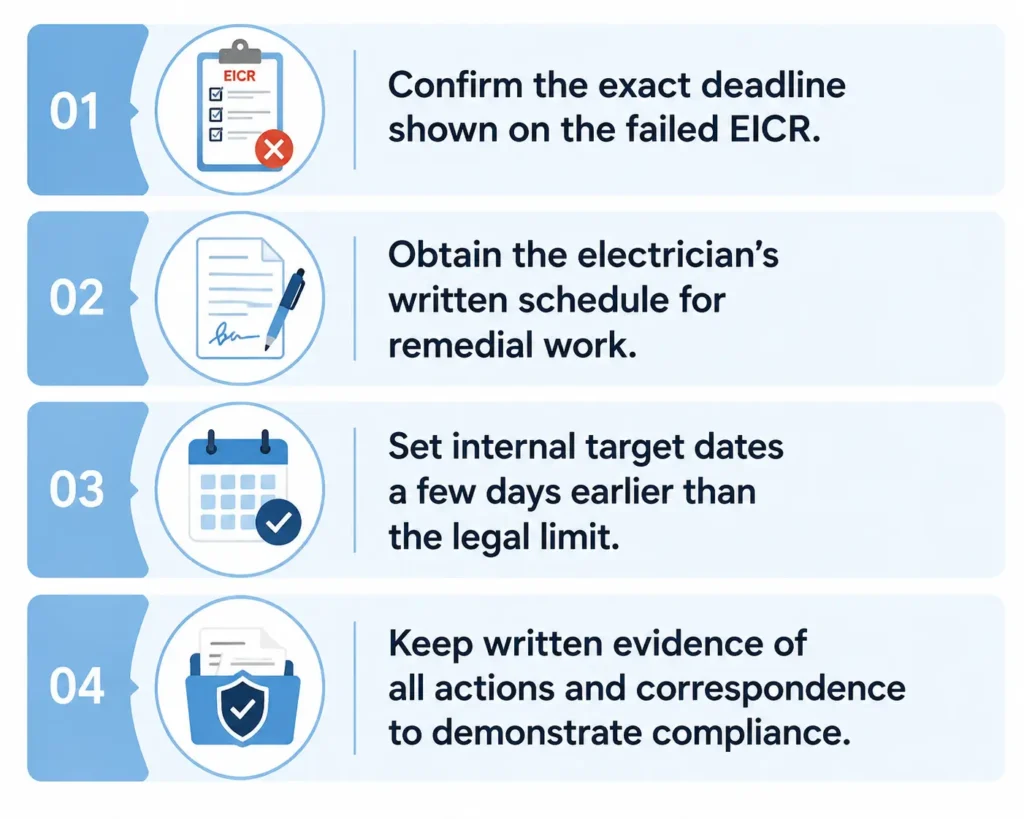
Know about Fast EICR Inspection London: What Does an Electrician Check During a Fast EICR Visit?
Can Tenants Move In After a Failed EICR?
At first glance, a landlord might assume that a failed Electrical Installation Condition Report (EICR) automatically blocks any new tenancy, but the legal position is more nuanced. Under the Electrical Safety Standards in the Private Rented Sector (England) Regulations 2020, a failed EICR does not always mean the property must sit empty. What matters is the severity of the issues and whether urgent dangers have been addressed.
If the report identifies C1 hazards (“danger present”) or C2 issues (“potentially dangerous”), the law requires remedial work or temporary protective measures within 28 days, or sooner if the report specifies. Until those specific risks are made safe and documented, starting a new tenancy would breach regulations and potentially invalidate insurance, placing both landlord and incoming tenants at serious risk. Further details are here: Do I Need an EICR Before Renting? Do I Need an EICR Before Renting Out My London Property?
Prepare the Property for Electrical Repairs
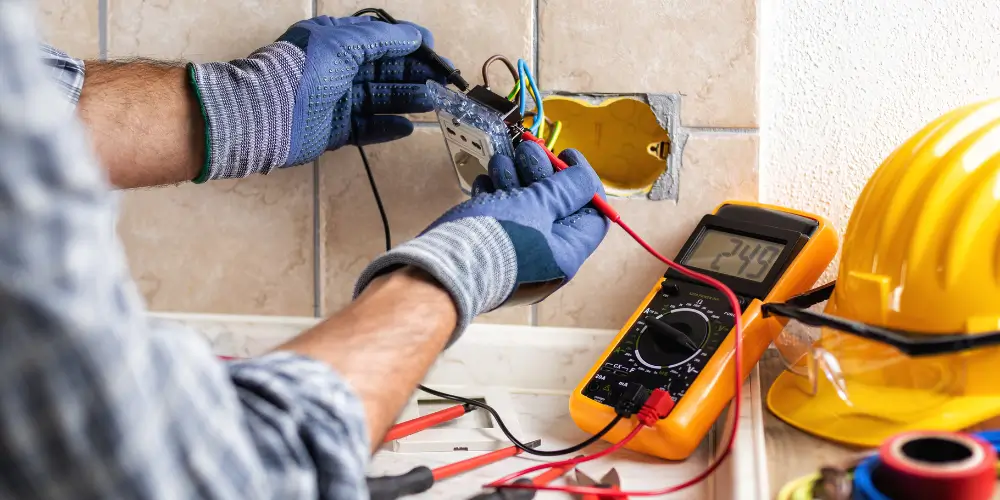
Once a failed EICR has highlighted issues that must be rectified before new tenants move in, the next step is to get the property ready for electricians to work safely and efficiently. Good preparation keeps the project fast and focused, helping landlords regain the freedom to rent without avoidable delays.
To streamline repairs, a landlord can:
- Clear access to the consumer unit, sockets, light fittings, and any visible wiring, moving furniture and belongings out of the way.
- Certain power can be isolated easily, knowing where the main switch and any sub-boards are located.
- Provide previous reports, installation certificates, and appliance details to inform the electrician’s approach.
- Agree in advance which circuits, rooms, or outdated fittings can be upgraded now to avoid future disruption.
Get Written Confirmation After Completion
Securing written confirmation after electrical works are completed protects the landlord and proves the property is safe to let. Once the electrician finishes, the landlord should request written evidence that every coded defect from the failed EICR has been rectified. This confirmation should clearly reference the original report, list the remedial actions taken, and state that the installation now meets current safety standards.
They should insist the electrician includes their name, registration number, date of completion, and signature. Keeping this document with tenancy records gives the landlord proof of due diligence if questions arise later. Clear paperwork reduces dependency on verbal assurances and allows the landlord to move forward with marketing and letting the property with greater confidence and autonomy.
Is a Full EICR Retest Required?
With written confirmation of the remedial work in hand, the next issue is whether the landlord must obtain a brand‑new EICR or can rely on the original, now-updated, report. In many failed‑EICR cases, a full retest is not legally required if a qualified electrician certifies that all C1, C2 and FI items have been rectified and the original report is amended accordingly. This route often preserves flexibility, saves time, and cuts cost.
Key considerations include:
- Nature of defects – minor C2/FI vs widespread faults.
- Extent of work – simple corrections vs partial rewiring or new circuits.
- Electrician’s recommendation – written, signed, and dated.
- Risk tolerance – some landlords may prefer a fresh, clean EICR for certainty.
Provide the Correct Documents to Tenants
Proper documentation becomes critical as soon as the property is ready to let. Once an unsatisfactory EICR has been remedied or risk‑managed, landlords must supply tenants with the most recent EICR report before move‑in, proving the electrics are safe for independent living. This is a legal requirement in England and a practical safeguard for both parties.
They should also provide evidence of any remedial works or follow‑up inspections, ideally as invoices or completion certificates. This shows that “C1”, “C2”, or “FI” items have been addressed, limiting disputes and giving tenants confidence to live freely in the space.
Alongside the EICR, tenants should receive the EPC, gas safety certificate (if applicable), and relevant “How to Rent” guidance.
Frequently Asked Questions
Can I Claim the Cost of EICR Remedial Works Against Rental Income Tax?
Yes. In the UK, EICR remedial works are usually treated as allowable revenue expenses, so a landlord can normally offset these costs against rental income, reducing taxable profit, provided the works are repairs, not capital improvements.
How Does a Failed EICR Affect My Landlord Insurance or Property Insurance Claims?
A failed EICR can let insurers reduce or reject claims if defects were known and not fixed. Cover usually continues, but non‑compliance may breach policy conditions, weaken liability protection, and give insurers leverage to limit payouts.
What Happens if My Managing Agent Let the Property Without a Valid EICR?
They remain legally responsible, not the managing agent. The landlord risks enforcement action, fines up to £30,000, difficulty with insurance claims, and potential liability for electrical accidents, though they may later pursue the agent for contractual breaches.
Are There Different EICR Rules for HMOS Compared With Single-Let Properties?
Yes, HMO electrical rules are stricter. EICRs are still five‑yearly minimum, but councils may demand shorter intervals, extra certification, and tougher standards, with heavier penalties and licensing consequences if landlords ignore these tighter HMO safety requirements.
Can I Challenge an EICR Report if I Think the Electrician Was Overly Strict?
Yes, they can challenge it. They may request clarification in writing, seek a second EICR from another qualified electrician, compare coding against BS 7671 guidance, and use conflicting opinions to negotiate or complain through the contractor’s scheme.
Conclusion
By concluding “Failed EICR and need to rent quickly”, A failed EICR in London doesn’t have to derail urgent rental plans, but it does demand swift, structured action. By understanding the codes, dealing with C1 and C2 issues promptly, cooperating with electricians, and preparing the property for safe access, landlords can move efficiently toward compliance. Securing written confirmation of completed works, confirming whether a full retest is needed, and issuing the correct documents to tenants guarantees both legal protection and a safe, lettable home.